Background
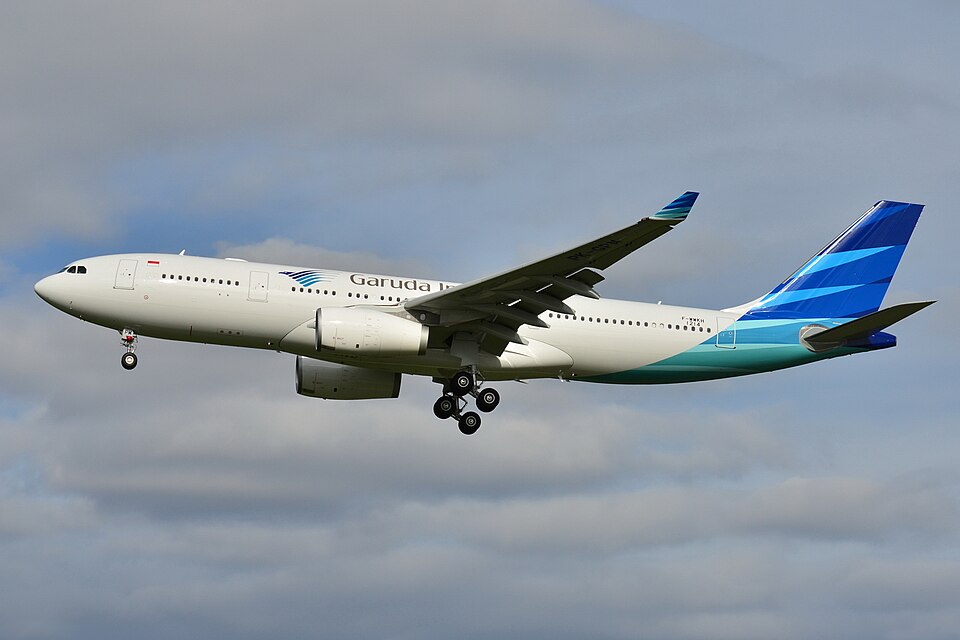
An Airbus A330-300 aircraft, equipped with Pratt and Whitney engines, was conducting a test flight at Toulouse-Blagnac Airport in France as part of certification for category III autopilot operations. The test flight involved two takeoffs and landings on runways 15L and 33R.
Accident Sequence
The first takeoff and landing on runway 15L were completed successfully. After a 180-degree turn for takeoff from runway 33R, the crew prepared for a second takeoff under conditions similar to the first, but with the autopilot incorporating a modification under study. The co-pilot performed the takeoff using TOGA (Takeoff Go Around) power instead of the specified Flex 49 power setting. Rotation was positive, and pitch input ceased when the attitude changed from 12 to 18 degrees nose-up. Within five seconds after takeoff, several attempts to engage the autopilot were unsuccessful. Once engaged, activation was delayed by two seconds due to a slight nose-down input from the first officer on the side stick. The aircraft, trimmed at 2.2 degrees nose-up, pitched up to 29 degrees, and speed decreased to 145 knots. The captain reduced thrust on the No. 1 engine to idle and cut off the hydraulic system per the flight test order. Immediately after activation, the autopilot switched to altitude acquisition mode with a selected altitude of 2000 feet, causing the pitch attitude to increase to 32 degrees. Speed decreased further to 100 knots, below the minimum control speed of 118 knots. Roll control was lost, and the captain reduced No. 2 engine thrust to idle to regain symmetry. Bank and pitch attitudes reached 112 degrees left and -43 degrees respectively before the pilot regained control, but ground impact occurred at a pitch attitude of approximately -15 degrees.
Probable Cause
The official investigation concluded that the accident resulted from a combination of factors, none of which alone would have caused the accident. Initial causes included: choice of maximum power (TOGA) instead of Flex 49; very aft center of gravity; excessive nose-up trim setting; selected altitude of 2000 feet; imprecise test definition and task assignment; rapid rotation by the first officer; the captain being occupied with test operations, placing him outside the control loop; and absence of pitch attitude protection in the autopilot altitude acquisition mode. Contributing factors included the crew's inability to identify the autopilot mode, their confidence in expected aircraft reactions, late reaction by the flight test engineer, and delayed response by the captain to the abnormal situation.