History of the Flight
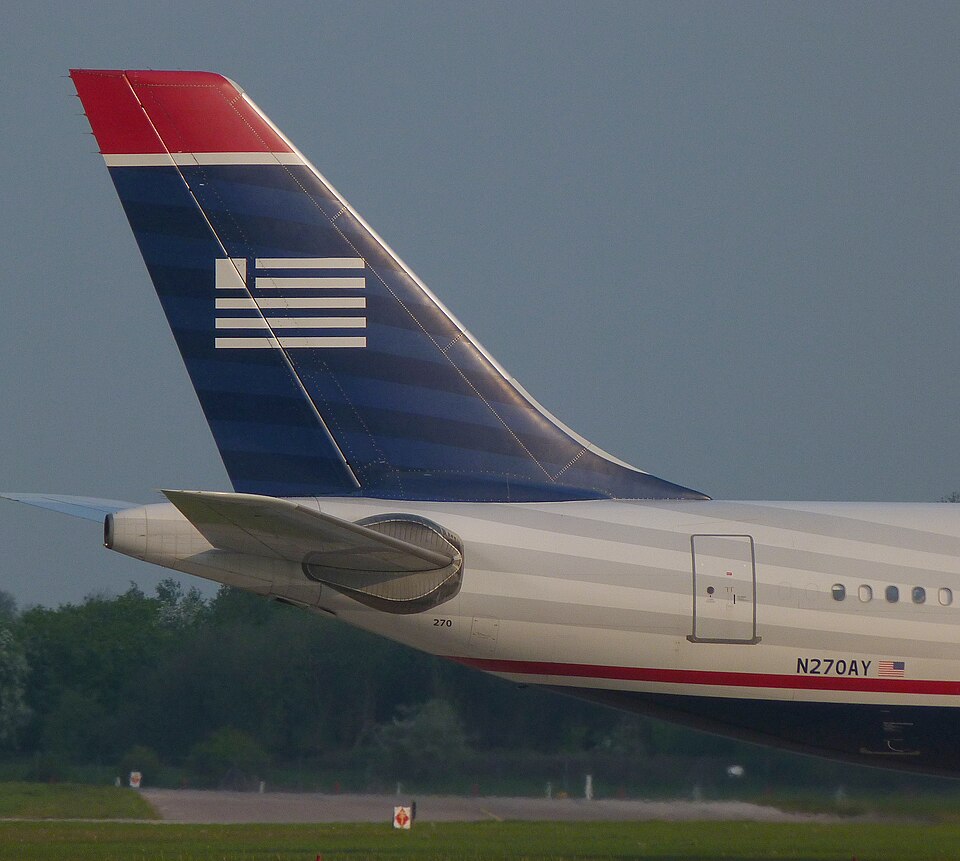
The aircraft, an Airbus A330-323X (registration N270AY), was scheduled to operate a commercial passenger flight from Manchester, UK, to Philadelphia, USA. Three pilots were on the flight deck: the commander served as Pilot Not Flying (PNF) in the left seat, a company-qualified captain acted as Pilot Flying (PF) in the right seat, and a first officer occupied the jump seat as third pilot. Weather conditions were fine with calm surface wind and a temperature of 16°C.
The aircraft taxied without incident to holding position T1 for Runway 23L and received takeoff clearance at 1013 hrs. The PF selected the thrust levers to the FLX (flex) position with a reduced takeoff thrust temperature of 45°C previously entered in the Flight Management Guidance System (FMGS). As the aircraft began to accelerate, an ECAM caution was generated; the crew later recollected it as either AUTO FLT A/THR LIMITED or ENG THR LEVERS NOT SET. The PF selected TOGA thrust on both engines, after which an ECAM caution ENG 1 EPR MODE FAULT was observed. Following discussion, the commander decided to reject the takeoff and assumed control in accordance with the airline's Standard Operating Procedures. The rejected takeoff (RTO) commenced from a groundspeed of approximately 120 kt, with the aircraft reaching 130 kt before decelerating. The aircraft slowed to taxi speed and exited the runway at the next available turn-off ('W1') onto Taxiway 'Y'.
After reviewing the aircraft's status, the commander decided to return to the parking area. While backtracking on the runway, ATC advised the crew of smoke around the left main landing gear. The crew replied that the brakes were warm and continued taxiing. The aircraft later experienced indications of high No 1 brake temperature, loss of Green hydraulic system fluid, and a deflated tyre. The crew requested directions to a brake cooling area, and the aircraft was stopped near A6, adjacent to an engine test bay. The Airfield Fire and Rescue Service (AFRS) attended; passengers remained on board until steps were positioned.
Aircraft Information
The aircraft mass at takeoff was 469,472 lbs, with a maximum takeoff mass of 508,400 lbs. Flaps 1 was selected, the calculated V1 speed was 148 kt IAS, and autobrake MAX was set. A dedicated FADEC controls each engine's thrust, normally via Engine Pressure Ratio (EPR). If EPR is unavailable, the FADEC reverts to N1 (fan speed) mode and generates the ENG EPR MODE FAULT ECAM caution, which is inhibited during takeoff between 80 kt groundspeed and after liftoff. Autobrake MAX commands braking automatically if an RTO is initiated above 72 kt groundspeed.
The Flight Crew Operations Manual (FCOM) provides guidance: below 100 kt, the captain should seriously consider discontinuing the takeoff if any ECAM warning/caution is activated; above 100 kt, the captain should be go-minded, with few situations warranting rejection. One listed example is any amber ECAM caution of the ENG system.
Brake System Description
The Airbus A330 main landing gear features a bogie beam attached to each landing gear leg, with a brake pack for each wheel. The carbon multi-disc brakes operate via the Green (Normal) or Blue (Alternate) hydraulic system, with anti-skid and autobrake functions. Each brake unit comprises a housing containing hydraulically-operated pistons and a heat pack of rotor and stator discs. Stator discs are keyed onto a torque tube (non-rotating), while rotors engage the wheel. During braking, hydraulic pressure forces the pistons to apply axial pressure, generating torque on the brake unit. This torque is reacted by a steel rod (brake reaction rod) attached via a pin to the brake housing and a lug on the bogie beam. The pin is inserted from the bogie beam side and retained by an end cap, cross-bolt, nut, and split pin. Rear axle brake rods experience tensile load, front rods compressive; the pin is loaded in single shear. Brake rods in each pair are linked by a lanyard (steel cable) introduced by the landing gear manufacturer after a previous pin failure incident.
Investigation Findings
Runway 23 was inspected immediately after the event; debris was found between turn-offs 'VC' and 'VD', confirmed to have been shed during the RTO rather than during backtracking. The investigation determined that the pin attaching the brake reaction rod to the brake unit at the left main rear No 5 wheel suffered an overload failure. Evidence suggested the pin was in a weakened condition following an earlier, unidentified event. This failure allowed the brake pack to rotate, causing damage to the brake hydraulic lines and resulting in the loss of Green hydraulic system fluid and deflation of two tyres. The Flight Data Recorder (FDR) and Cockpit Voice Recorder (CVR) were downloaded for analysis.