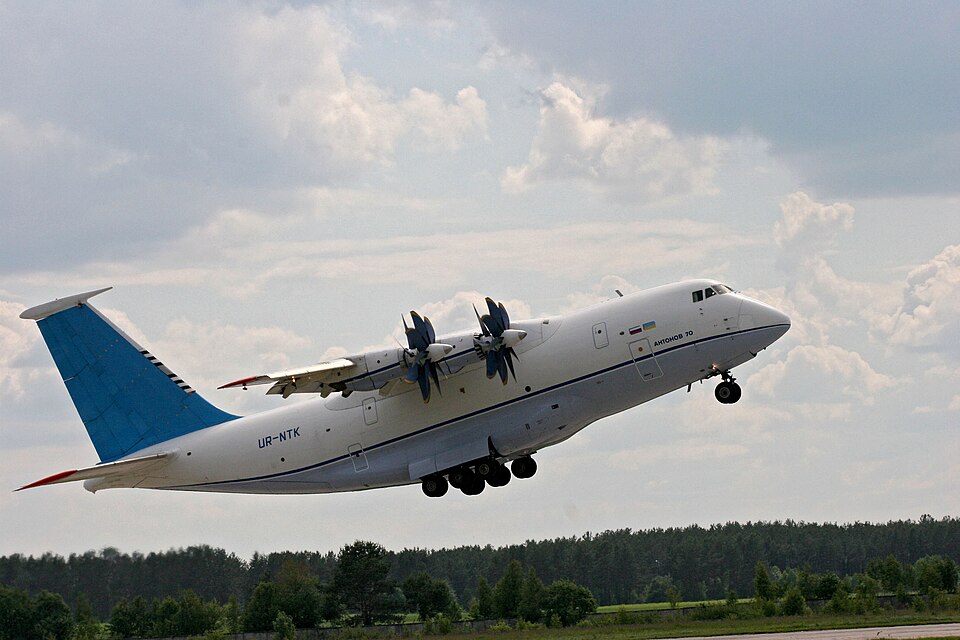
Incident Overview
A test flight departed Omsk Airport bound for Yakutsk, carrying 22 passengers and a crew of 11. The flight was part of a certification program to evaluate the aircraft in low-temperature conditions.
Sequence of Events
During the initial climb, at a height of 20 metres, engine number 3 lost power. The crew responded by increasing power on the remaining three engines and continued ascent. Less than 25 seconds later, at an altitude of approximately 60 metres, engine number 1 failed.
The captain initiated an emergency landing, touching down on snow-covered terrain 660 metres beyond the runway end. The aircraft performed a belly landing, resulting in severe damage to the fuselage—which nearly separated at the wing section—and to all engines.
Rescue and Injuries
All 33 individuals on board were evacuated. Four people sustained injuries, with two classified as serious.
Probable Cause
According to the official investigation, the loss of power on engine number 3 was caused by a ruptured hydraulic line near the rotor. This failure reduced blade rotation on both propellers (a counter-rotating system), inducing severe vibrations. The crew's subsequent power increase on the three remaining engines coincided with a technical malfunction in an electric sensor coupled to the turbine of engine number 1. This malfunction caused the automatic control unit to fail, leading to the shutdown of engine number 1.