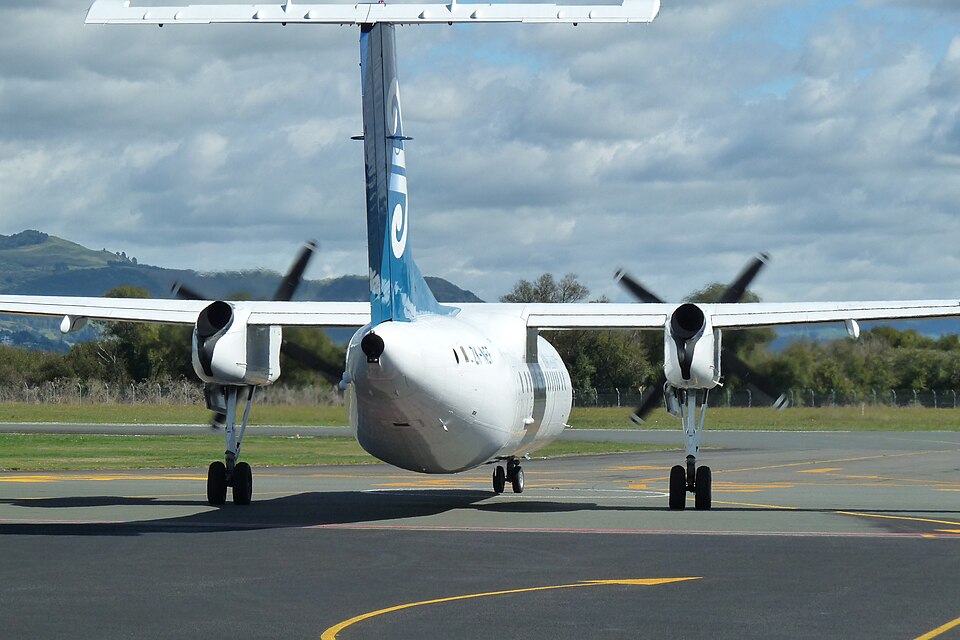
Uncommanded Engine Acceleration Leads to Runway Overrun in Cessna 208B

Casualties unknown • Timaru Aerodrome 44° 18´ 10” 171° 13´ 31”, NZ

A Cessna 208B Grand Caravan experienced an uncontrolled engine acceleration shortly after takeoff from Lizard Island, resulting in a runway overrun and aircraft inversion.

What happened

On 8 January 2024, a Cessna 208B Grand Caravan departed Lizard Island Airport, Queensland, bound for Cairns. The aircraft was carrying a pilot and 9 passengers when the engine experienced an uncommanded and uncontrolled increase in power. The pilot noticed a distinct change in engine sound and observed the aircraft accelerating beyond normal parameters.

Unable to correct the malfunction, the pilot decided to return to Lizard Island. To maintain control of the flight path while managing excessive thrust, the pilot opted for a high-power, high-speed approach. Although the pilot attempted to move the fuel condition lever to the cut-off position during short finals, the engine failed to shut down properly. Instead, the engine power began to slowly increase again over the following 18 seconds. The aircraft touched down approximately two-thirds of the way down the runway at high speed. Despite applying brakes, the aircraft overran the runway, crossed uneven terrain, and eventually flipped upside down after a wingtip struck the ground.

The investigation

The ATSB examined the wreckage and flight data to determine the cause of the engine's behavior. Investigators found that the engine parameters had exceeded established limits. Because no other pre-existing damage or faults were identified on the aircraft, the investigation focused on the fuel control unit (FCU). While the input drive shaft and coupling were found to be serviceable, the manufacturer was unable to complete a full analysis of the removed FCU. However, the ATSB concluded that an internal failure or foreign object contamination within the FCU was the only plausible cause for the uncommanded acceleration.

Findings

  • The primary cause of the acceleration was a likely malfunction of the fuel control unit.
  • The engine could not be successfully shut down during the final approach, preventing the pilot from reducing power.
  • The combination of high touchdown speed and the runway's downslope prevented the aircraft from stopping within the available runway length.
  • There was a lack of specific procedures in the aircraft flight manual for managing an uncommanded engine acceleration, as existing procedures only covered engine failures or rollbacks to idle.
  • There was limited awareness among pilots and operators regarding the possibility of this specific FCU malfunction.

Probable cause

A malfunction in the fuel control unit caused an uncommanded engine acceleration that could not be mitigated by the pilot, leading to an unsuccessful engine shutdown and a subsequent runway overrun.

Frequently asked questions

What happened in the 2024-02-06 De Havilland DHC-8-311, 620 accident near Timaru Aerodrome 44° 18´ 10” 171° 13´ 31”, NZ?

A Cessna 208B Grand Caravan experienced an uncontrolled engine acceleration shortly after takeoff from Lizard Island, resulting in a runway overrun and aircraft inversion.

What aircraft was involved and where did it happen?

The accident on 2024-02-06 involved a De Havilland DHC-8-311, 620, registration ZK-NEF, operated by Air New Zealand Limited, at Timaru Aerodrome 44° 18´ 10” 171° 13´ 31”, NZ.

What was the probable cause of the accident?

A malfunction in the fuel control unit caused an uncommanded engine acceleration that could not be mitigated by the pilot, leading to an unsuccessful engine shutdown and a subsequent runway overrun.

Investigation report by the New Zealand Transport Accident Investigation Commission (TAIC). Original record: https://taic.org.nz/inquiry/ao-2024-001. This page is a structured re-presentation; facts and quotes are in the Transport Accident Investigation Commission (TAIC), New Zealand.

Loading the flight search…