Incident Overview
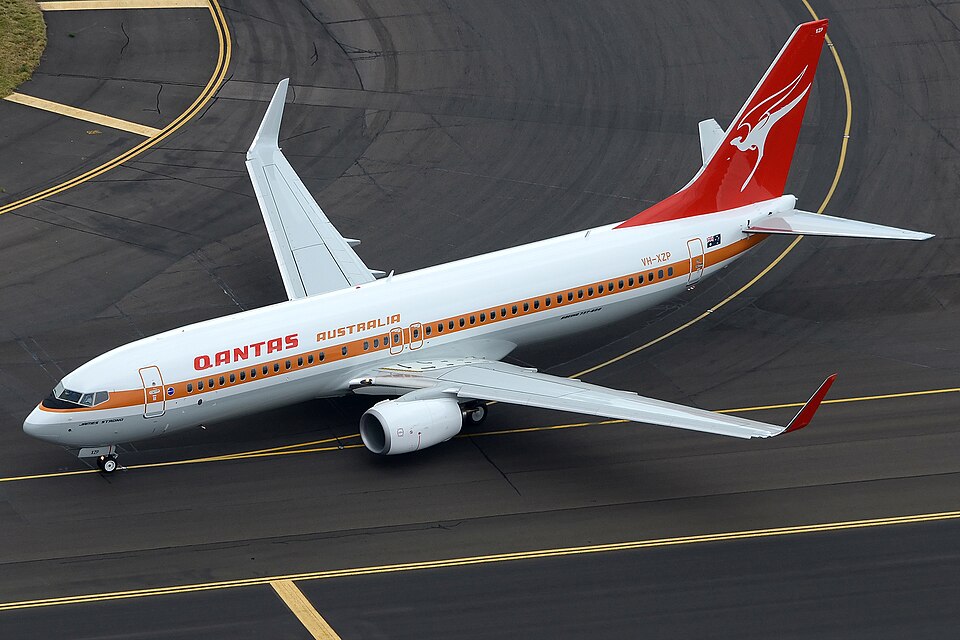
An air traffic controller (ADC) issued a take-off clearance to a helicopter (FOA) that was contrary to his intended separation plan. The planned departure direction was runway 30, but the instruction given was to take off from runway 12, the opposite direction. This error was not detected by the ADC or any other personnel until after the helicopter's crew observed a landing aircraft (XZP) touching down ahead of them and reported the event to air traffic control.
Contributing Factors
The error occurred in part because the ADC became preoccupied with coordination tasks with the approach controller immediately after issuing the clearance. Although the ADC’s intended plan was indicated on the flight progress strip, he did not refer to it. The student pilot read back the take-off clearance, but the ADC did not notice that the clearance issued was not what he had intended. Additionally, as the ADC did not annotate the strip as a matter of course, he lacked a cue or memory prompt to avoid or detect the error. The ADC should have been visually observing the helicopter depart but became focused on coordination tasks instead.
Risk Controls
Airservices Australia advised that they classified the occurrence as an information error, not a loss of separation, after determining that the error occurred in the execution of an appropriate plan. They also determined the disposition of traffic assured separation, including wake turbulence.
Outcome
As a result of the incident, the departing helicopter experienced a loss of runway separation assurance with the arriving aircraft. There was also a conflict between the helicopter and a taxiing Boeing 737. Although the timing and locations meant no significant manoeuvring was required by the helicopter crew, the consequences could have been severe had the sequence of events been slightly different.