Introduction
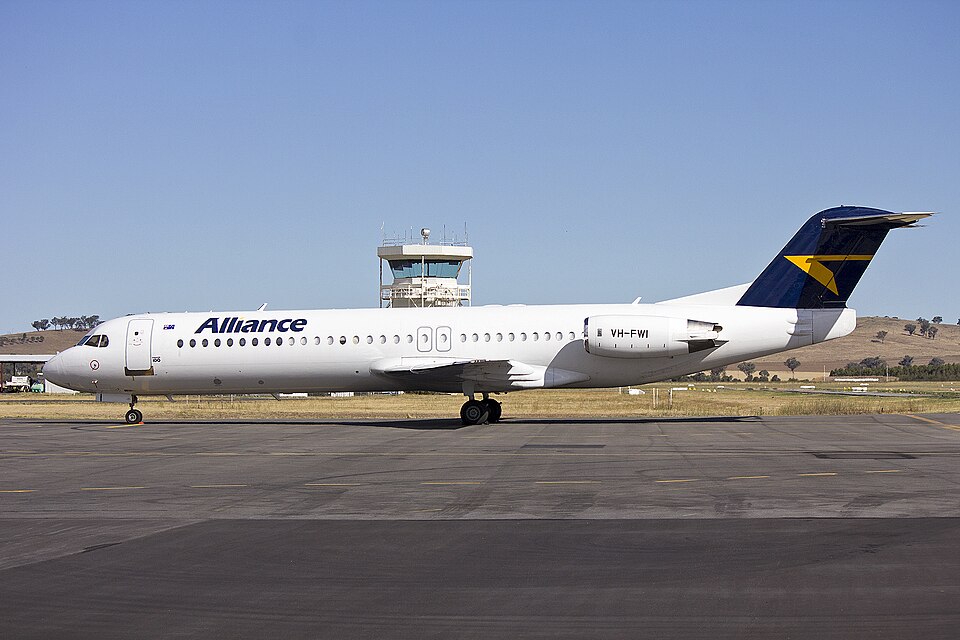
The number 1 engine failed (flameout) due to failure of the associated fuel flow regulator (FFR) and resultant lack of fuel supply to the engine. This analysis explores the circumstances of the component failure. Additionally, while the flight crew’s management of the occurrence resulted in a safe landing, aspects of their response to the engine failure will also be considered, including the decision to not return to the nearest suitable airport (Geraldton), instead continue to Perth, execution of the recovery (diversion), and benefits of flight crew training.
Engine Failure
About five minutes after take-off, the engine 1 FFR seized due to internal gearing wear that was associated with the unit’s high time since overhaul (14,334.1 hours). This resulted in failure of the FFR to regulate fuel to engine 1, which then consequently flamed out. Rolls-Royce was aware, and had advised operators of the potential for wear related FFR failure due to extended service life. Despite this, the subject FFR failed while being maintained within the service life limits of the Rolls-Royce engine management programme. Since this occurrence, Rolls-Royce have introduced a 10,000-hour midlife inspection and rework requirement for the FFR maintenance option selected by VARA. This requirement, which includes replacement of the sun and planet gear assemblies, would likely have prevented the subject failure and should reduce the future frequency of this failure type.
Presentation of the Failure
In complex multiengine aircraft, one engine can rollback unnoticed by the flight crew, due to the autopilot and autothrottle masking the thrust asymmetry created. In this case, the PF noticed unusual thrust lever movement (due, in part, to the clutch tie), but did not associate that movement with the uncommanded increase in engine 1 thrust (due malfunctioning FFR). Further, although the PF noticed the movement of thrust lever 2, the progressively significant reduction in thrust (rollback) of engine 2 was not detected. It is likely that the deteriorating health of engine 1 went undetected by the crew due to the effect of the automation/clutch tie and the absence of any cockpit alert. Additionally, at the time, the PF reported being focussed on the unusual (slightly decoupled) and uncommanded movement of the thrust levers due to the action of the clutch-tie mechanism. The PM was preoccupied with various support duties including cabin crew coordination, communicating with air traffic control and the completion of transition procedures.
Single Engine Operation
The operator’s F100 aircraft operations manual provided clear guidance on the management of an engine failure throughout the varying phases of flight. These procedures were designed to maximise the aircraft’s single‑engine climb performance in order to ensure terrain clearance, allow flight in controlled (higher) airspace, avoid low level weather, and to optimise glide range should the remaining engine fail. In a limited fuel situation, these procedures also served to maximise single‑engine range and/or endurance. For this event, at the point of engine flameout, fuel remaining, and terrain clearance were not limiting factors. However, by not slowing the aircraft towards the best angle of climb (green dot) speed, and by not increasing engine 2 thrust from CLB towards MCT the aircraft’s single‑engine climb performance was degraded, resulting in the crew’s decision to descend to FL 140. The crew recalled this collective decision was due to concern with ‘straining the good engine’ associated with any attempt to increase altitude, being ‘well above the lower safe altitude, with clear skies’ and ATC coverage. That is, they couldn’t see any advantage to going higher. That the aircraft was only capable of manual thrust control was significant for the crew, as the autothrottle system provides automatic speed and gust protection, inputs to the angle of attack (alpha) mode protection, and windshear protection. If required, a missed approach, regardless of landing point (Perth or Geraldton), would need to be carefully executed manually to prevent exceeding any engine limitations. Both flight crew reported that they had practiced a manual thrust approach in the operator’s preceding cyclic (simulator) assessment session, and this assisted their conduct during the single‑engine recovery into Perth.
Post Incident - Course of Action
Decision to Continue to Perth
Regardless of experience, flight crew require time to initially identify a non‑normal condition (engine failure) and consider their ‘immediate plan’. Once the aircraft was in the vicinity of waypoint IRWIN, the crew had a number of options: return to the point of departure and the nearest suitable airport (Geraldton), maintain their incidental altitude (FL 140) and original track continuing to avoid active military airspace, or optimise their recovery.