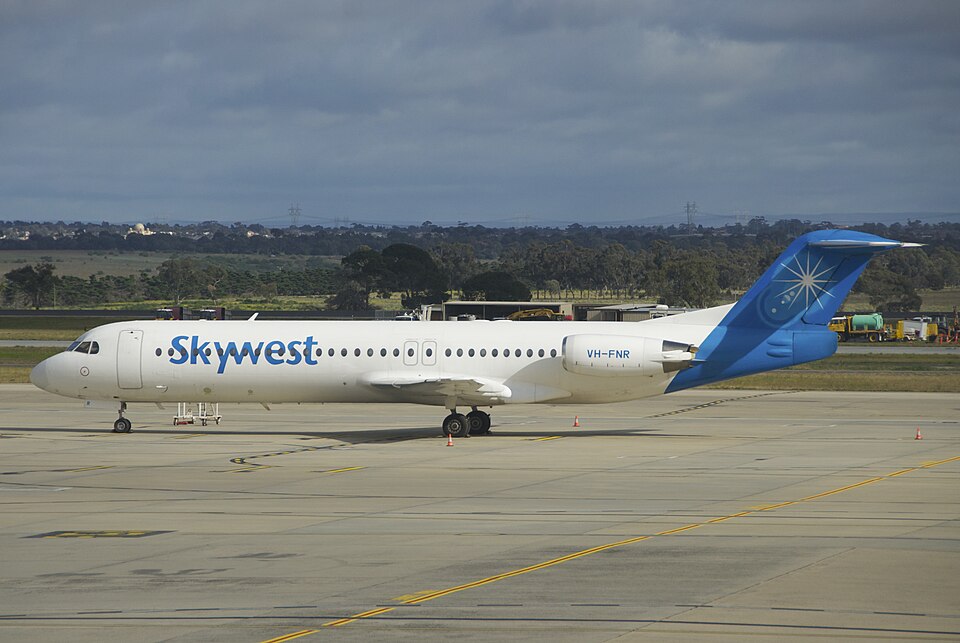
Event Overview
During landing, the takeoff/go-around (TOGA) mode activated unexpectedly, which disarmed the lift dumpers and prevented their automatic deployment on touchdown. Additionally, the weight-on-wheels sensors provided an intermittent signal after all wheels had touched down, preventing the deployment of reverse thrust and manual extension of the lift dumpers.
TOGA Mode Activation
Based on required hand actions and crew recollections, investigators assessed that the flight crew did not likely activate TOGA mode inadvertently by pulling the TOGA triggers. Instead, the first officer's hands were in the process of reaching for and lifting the thrust reverser levers. No system or mechanical faults were found, and no recurrence of the incident had been recorded, indicating that a persistent fault was unlikely. The specific reason for the TOGA mode activation could not be established.
Weight-on-Wheels Sensing Issue
The intermittent weight-on-wheels signal was most likely due to a softer-than-typical landing, combined with the lift dumpers not automatically deploying. Failure of the sensors was considered unlikely, as they settled to a ground state and no further incidents with the sensors had been recorded at the time of publication. While not an issue in this incident, research has shown that a delay in the deployment of reverse thrust and/or lift dumpers has contributed to runway overrun events (Jenkins & Aaron, 2012).
Conclusions
The investigation concluded that the reason for the TOGA mode activation could not be determined, although inadvertent pilot action was unlikely. The intermittent weight-on-wheels signal was attributed to the landing conditions rather than sensor failure. The incident highlighted the interaction between TOGA mode activation and lift dumper arming, as well as the sensitivity of weight-on-wheels sensors during soft landings.