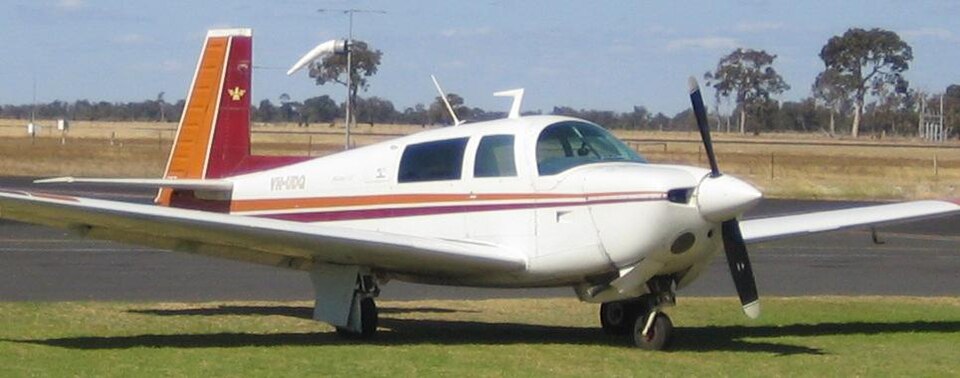
Accident Overview
On 17 October 2022, at approximately 1345 local time, the pilot of a Mooney Aircraft Corporation M20J aircraft, registered VH-UDQ, departed Maitland Airport, New South Wales, for a local flight. The pilot flew to Cessnock Airport, completed an orbit, and then continued to Luskintyre airfield. While overhead Luskintyre, the pilot broadcast an intention to track back to Maitland Airport. Witnesses near Luskintyre observed the aircraft descending as if to land, with smoke and flames trailing from it. At about 1359, the aircraft collided with terrain approximately 330 metres short of runway 30, accompanied by an explosion and fireball described by witnesses. The aircraft was destroyed by an intense post-impact fire. The pilot survived the collision but later succumbed to injuries sustained in the accident.
ATSB Investigation Findings
The Australian Transport Safety Bureau (ATSB) determined that an O-ring seal fitted to the engine-driven fuel pump outlet fitting had remained in service until it became age-affected and failed to provide an effective seal. Fuel escaping from this seal ignited, causing an engine compartment fire. In response, the pilot initiated an emergency descent toward the runway but subsequently landed in a field, where the aircraft impacted trees. This led to a breakup of the aircraft and a severe post-impact fire that consumed it.
The ATSB also noted that the aircraft had been recently refurbished, including repainting and replacement of interior furnishings with alternate materials. Neither the refurbishment activity nor details of the flammability assessment of the substituted materials were recorded in the aircraft logbooks. The effect of this refurbishment on the in-flight fire or on the survivability of the pilot could not be determined.
Actions Taken
In response to the accident, the Civil Aviation Safety Authority (CASA) proposed to review Airworthiness Bulletins AWB 02-001 (on-condition maintenance) and AWB 85-004 (piston engine calendar time overhaul) and likely update them, highlighting that on-condition is not a "fit and forget" approach. The ATSB issued safety advisory notice SAN AO-2022-049-001, drawing attention to proactive replacement of O-ring seals when records indicate significant service time.
Safety Message
Piston engines and their components in private or airwork category aircraft may remain in service beyond recommended overhaul intervals. O-ring seals are susceptible to age-related deterioration; awareness of accumulated time-in-service may prompt replacement before failure. Owners should document refurbishment actions, including substituted materials and their suitability, in the aircraft logbook.