Occurrence
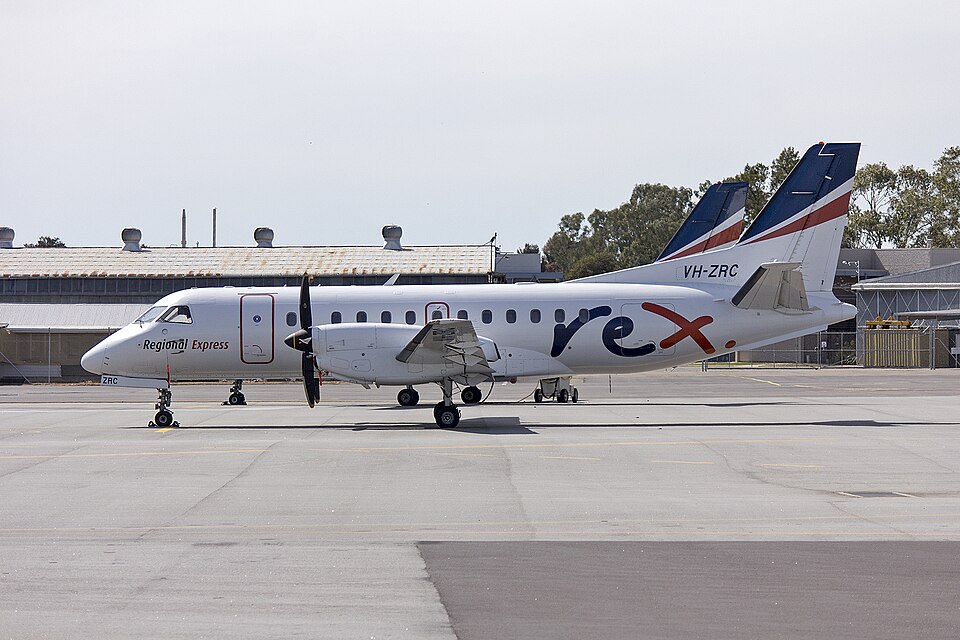
On 4 November 2022, a Saab Aircraft Co 340B, registered VH-ZRC and operated by Pel-Air Aviation Pty Limited, was preparing to take off from Flinders Island, Tasmania. During the take-off roll, the aircraft veered to the left of the runway centreline and the crew detected a decrease in acceleration before rejecting the take-off. After the aircraft stopped, significant tyre marks were observed on the runway, one tyre had a flat spot, and all main landing gear tyres were deflated.
Investigation Findings
The Australian Transport Safety Bureau (ATSB) found that the parking brake handle had likely not been completely seated in the panel when released by the pilot, resulting in residual pressure remaining in the brake system. During taxi to the runway, this residual pressure partially applied the brakes, generating heat. Heat buildup further increased brake application. During the take-off roll, heat generation increased significantly, leading to further brake application and the rejected take-off. All main landing gear wheel fusible plugs activated, deflating the tyres. The ATSB determined that for all four brakes to apply and overheat, a fault would have had to occur simultaneously in both hydraulic circuits or in the common return line. The evidence indicated the parking brake valve partially restricted the return line, causing brake drag. The pilot noted no abnormal handling during taxi, but slower speed may have masked the dragging. At about 46 knots, the aircraft veered left, likely due to a locking left tyre. At approximately 80 knots, the crew rejected the takeoff. Post-occurrence testing found no defects other than signs of overheating.
Operator Actions
The operator reported several safety actions: dissemination of a Notice to Aircrew with detailed parking brake operation information; review of ground school material on parking brake function; inclusion of parking brake operation as a check item in upcoming flight crew cyclic; and issuance of an occurrence briefing to all flight crew with engineering information on the parking brake system and the importance of fully seating the handle. No passenger injuries and minimal aircraft damage resulted from the event.