Incident Overview
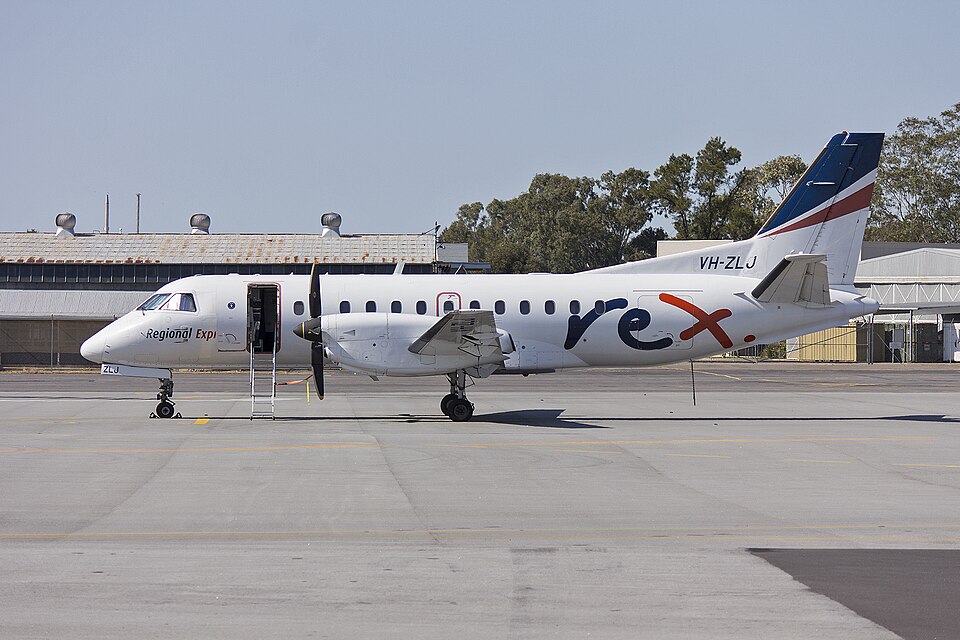
On 16 November 2022, a Regional Express (Rex) Saab 340B, registered VH-ZLJ, was prepared for scheduled flight ZL5538 from Cairns Airport, Queensland, to Bamaga, Queensland. As the crew taxied the aircraft to the runway, an engineer in a nearby parking bay observed something hanging from the aircraft and contacted the tower. The air traffic controller visually confirmed the observation and alerted the crew, who returned the aircraft to the bay.
Pre-Flight Context
Aircraft parked overnight at Cairns were required to have an operator-designed bung installed in the horizontal stabiliser trim actuator cove to prevent bird nesting. The subsequent inspection revealed that the horizontal stabiliser bungs had not been removed and were still installed in the left trim actuator cove.
ATSB Findings
The Australian Transport Safety Bureau (ATSB) investigation found that the horizontal stabiliser bung was not detected during pre-flight preparations, resulting in the aircraft being dispatched with the bung still installed. The ATSB also found that there was no procedure for the storage and accountability of the bungs after removal, which differed from other bungs and covers used on Rex aircraft. Additionally, the operator did not consider aspects that would ensure the identification of an installed bung or the safe operation of the aircraft if the bungs were not removed prior to flight.
Operational Details
On the morning of the occurrence, the ground handling agent faced significant distractions. Despite no significant time pressures, the agent removed pitot and other aircraft covers but did not detect the horizontal stabiliser bungs. The flight crew, who were not expecting the bungs to be installed, conducted external inspections. The first officer paid particular attention to the rear of the aircraft and removed the tail stand, under which the bung conspicuity flag would have been hanging. Neither pilot detected the bungs. ATSB analysis of CCTV footage from the bay and during taxi also did not detect the bungs, suggesting the bung was not installed correctly or the tether rope with the 'remove before flight' flag was not hanging as designed.
Procedural Gaps
The training package for the ground handling agent indicated that the bungs were to be retained by the agent but did not specify storage methods. Containers used stored multiple sets of bungs together, preventing positive assurance that all bungs had been removed from a specific aircraft. This also applied to engine exhaust bungs. While existing airline checklist procedures accounted for other covers and bungs, there was no pre-flight procedure to check for the horizontal stabiliser bird bungs. In the absence of a prescribed method, flight crew relied on visual confirmation that the conspicuity flag was not visible. When the flag was not detected, both ground and flight crews likely continued preparations believing the bungs were not installed.
Risk Assessment and Actions
The operator had implemented the bung procedure to address the bird nesting hazard but did not conduct a separate risk analysis of the potential hazard a control surface bung could induce. Although the bung design included features to aid recognition when correctly installed, evidence indicated the design allowed for incorrect installation or failure to display as designed to go undetected. Existing procedural checks for fouled or jammed controls did not identify the incorrectly installed bung, and there was no documented consideration of whether the bung would be ejected before take-off, after which it could affect flight safety.
The operator commenced a risk assessment to formalise procedures for the bungs and obtained an engineering order to document and approve their manufacture. However, these actions did not address storage, accountability, identification of installed bungs, or safe operation if not removed. The ATSB issued two safety recommendations and will monitor the issues.