Incident Overview
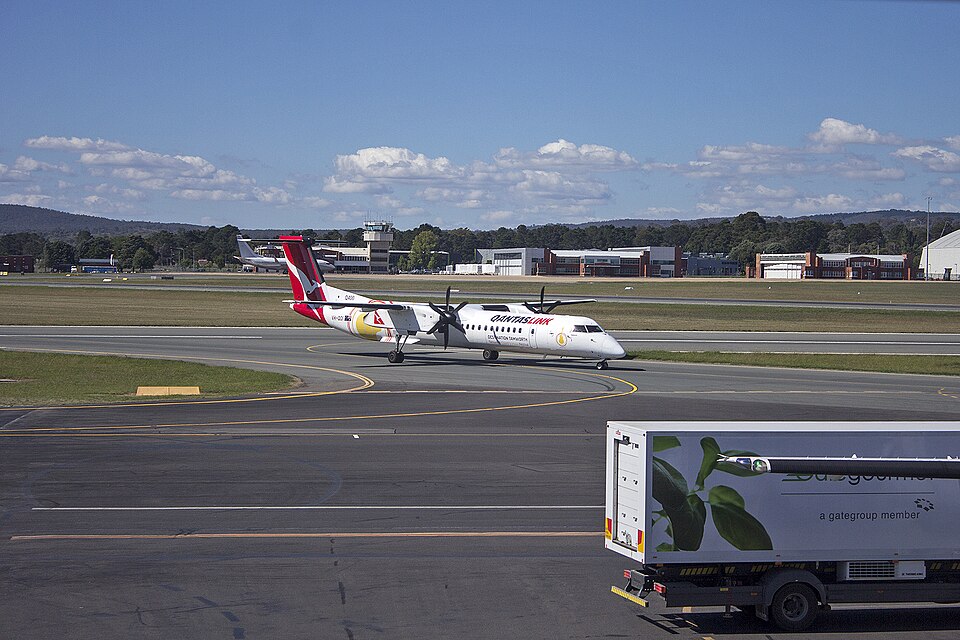
On 26 June 2024, a De Havilland Canada DHC-8-402 (Dash 8) operated by QantasLink was preparing to operate a passenger flight from Horn Island to Cairns, Queensland. Due to runway length and high passenger and cargo weights, the flight crew determined that a flap setting of 15° and the bleed air system switched off were required. The first officer (FO), serving as pilot flying, inadvertently selected a flap setting of 5°. The crew completed after-start checks according to standard operating procedures but did not detect the incorrect setting.
During takeoff, the aircraft accelerated normally, but rotation was slow and performance differed from usual. The FO applied continued back pressure, and the aircraft became airborne slightly after the expected rotation speed. The FO then identified the flaps were at 5° and advised the captain. The captain instructed the FO to continue flying. The FO slightly lowered the nose to increase airspeed; the aircraft accelerated and maintained a positive climb. The flight proceeded to Cairns without further incident.
Findings
The Australian Transport Safety Bureau (ATSB) found that the FO’s incorrect flap selection was likely due to habitual behavior, as a flap setting of 5° was the most common take-off setting for other sectors and had been used on the two prior flights. The flight crew conducted pre-flight checks and crosschecks, but failed to identify the error, likely due to automatic behavior during the checklist process. Standard operating procedures provided four opportunities to detect the mistake.
Operator Actions
Following the occurrence, the operator implemented several changes: review of standard operating procedures to reduce erroneous flap selection, revision of relevant checklists to strengthen crosschecking with computed takeoff performance data, and training for crews on standard operating procedures and compliance.
Safety Message
The ATSB emphasized that high workload during preparation, taxi, and takeoff demands heightened attention. Flight crews must carefully verify and methodically complete checks and checklists. Maintaining focus and being mindful of deviations from usual settings is essential during periods of high workload.