Incident Summary
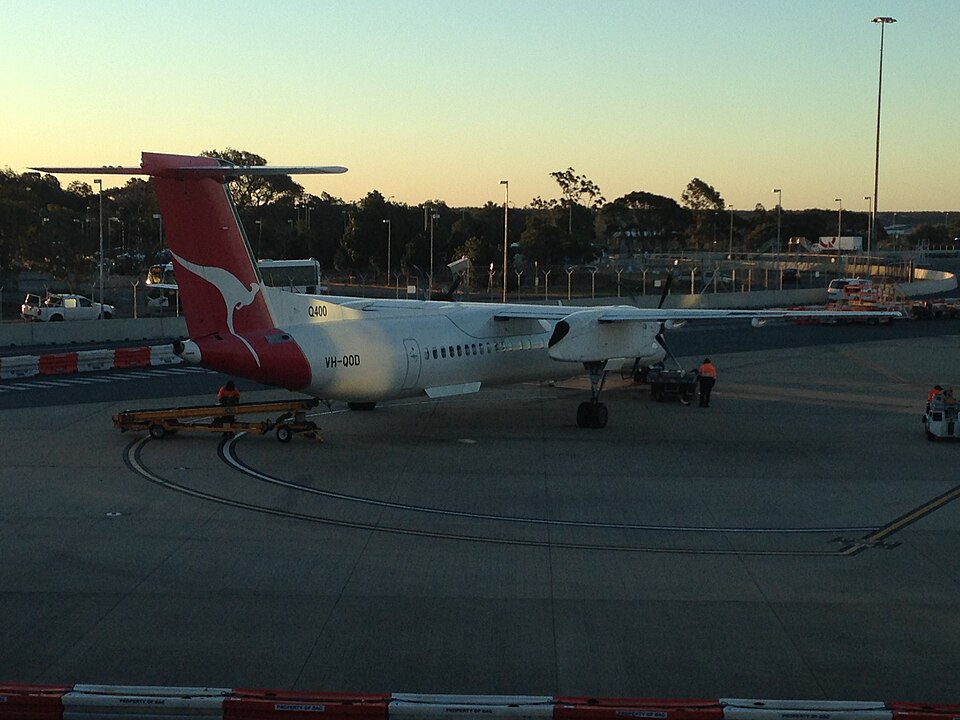
On 15 July 2024, a QantasLink De Havilland Aircraft of Canada Limited DHC-8-402, registered VH-QOD, entered runway 05 at Wagga Wagga Airport while a Piper PA-28, registered VH-XDK, was commencing its take-off roll from runway 23. The Dash 8 crew was unaware of the PA-28 until notified by the crew of a third aircraft, a Saab 340. Upon notification, the Dash 8 captain stopped the aircraft about 5 m past the holding point and engaged reverse thrust to back the aircraft clear of the runway. Concurrently, the pilot of the PA-28 rejected the take-off.
Communication Factors
Common traffic advisory frequency (CTAF) recordings indicated that the PA-28 pilot made recommended positional broadcasts: a taxi call when leaving the apron area, entering the runway, and a rolling call on the runway. However, the Dash 8 crew reported not hearing those broadcasts. The PA-28 instructor believed that because the PA-28 crew could hear the Dash 8 and Saab 340 communications, the Dash 8 crew could likewise hear the PA-28's transmissions. The Dash 8 crew's broadcast immediately after being told about the conflicting traffic suggested they were surprised, indicating they likely did not hear the PA-28's calls rather than forgetting them.
Visual Factors
The topography at Wagga Wagga Airport features a runway height change of up to 2 m between thresholds, with a slight hump near runway 05. A clear visual line of sight existed from one threshold to the other. However, when the Dash 8 was on taxiway B at the holding point, its crew's view of the PA-28 may have been blocked by the landing Saab 340. By the time the Saab 340 cleared the runway, the PA-28 was lined up and had started its take-off roll. Given the limitations of vision, it is very unlikely that the Dash 8 crew could have detected the PA-28 about 1,700 m away.
Contributing Factors
The investigation identified two contributing factors. First, during ground-based repositioning, the Dash 8 entered runway 05 while the PA-28 had commenced its take-off roll from runway 23. The Dash 8 crew were not aware of the PA-28 until notified by the crew of a third aircraft. Second, the pilots of the PA-28 gave the recommended radio calls but did not directly communicate or engage with the Dash 8 crew to arrange separation.