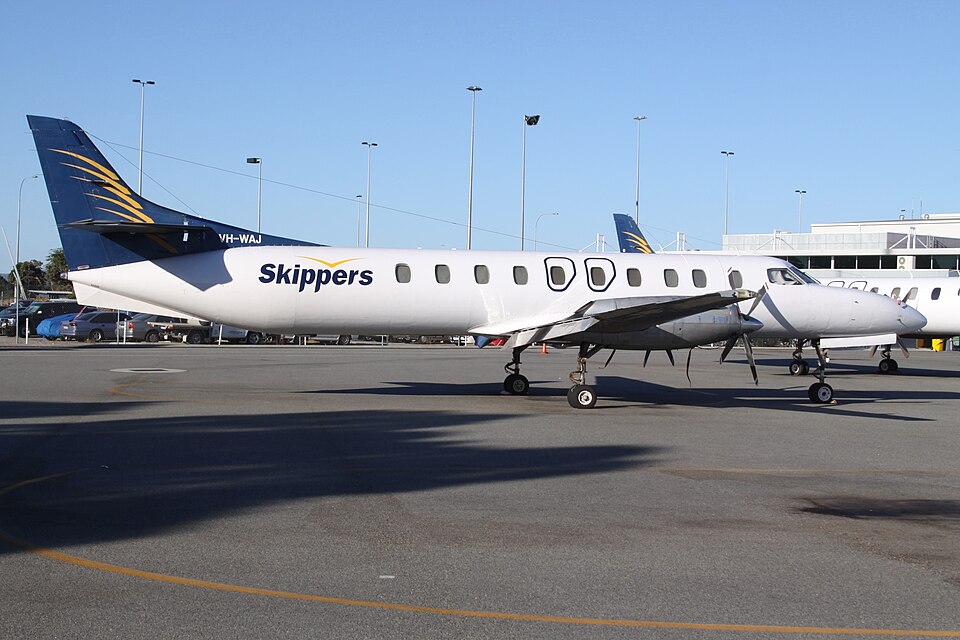
Incident Summary
During a non-scheduled air transport flight from Forrestania to Perth, the crew of aircraft VH-WAJ experienced a complete loss of pressure in the hydraulic system. The failure rendered the flaps, nose wheel steering, and landing gear inoperative, though limited braking was available from a reserve pressure accumulator. The captain executed a flapless landing and, after a brief stop on the taxiway, continued taxiing toward the operator’s hangar under the mistaken belief that hydraulic pressure and brakes had been restored. As the aircraft approached the hangar on a slight slope, the brakes proved ineffective, and the aircraft collided with the structure, damaging the right wingtip and right propeller.
Hydraulic System Failure
Post-flight inspection identified the complete loss of hydraulic pressure as resulting from a fluid leak due to a crack in the hydraulic pipe union flare located in the left main landing gear wheel well.
Post-Landing Decisions
The captain reported not checking the brake accumulator gauge after landing. It was likely that the reserve accumulator pressure had become depleted during braking on landing, although this was not obvious from the brake feel when tested after stopping. The in-flight positive pressure indication on the main hydraulic gauge—caused by manual landing gear extension—and the absence of fluid on the runway erroneously supported the captain’s assumption that pressure had returned and brakes were functional. The lack of established contact with a tow vehicle and awareness of other traffic needing the taxiway likely created self-imposed pressure to continue moving the aircraft, influencing the decision to taxi to the hangar.
Crew Workload and Decision-Making
The training captain faced an elevated physical and cognitive workload due to oversight of the aircraft and guidance of a novice first officer (FO). When both hydraulic system warning lights illuminated, the captain’s workload surged as they managed the emergency, conducted checklist procedures, handled all radio communications, guided the FO through manual landing gear extension, and assumed pilot-flying duties for the approach and landing at Perth. The source states that these demands contributed to the captain’s decision to continue taxiing after exiting the runway, as the emergency likely disrupted typical task prioritization for post-landing procedures, which would have normally involved having the aircraft towed. The FO’s inexperience and low hours on the Metro reduced their capacity to contribute to decision-making and task-sharing. The FO’s unfamiliarity with non-normal procedures outside the simulator meant they could not anticipate the captain’s needs to distribute workload after the hydraulic failure, limiting their support and negatively impacting crew resource management (CRM), further increasing the captain’s workload.