2 fatalities

1970-01-24: Beechcraft C-45 Expeditor (N3766) — Buckeye Air Services — Kalamazoo-Battle Creek, United States of America

Kalamazoo-Battle Creek, United States of AmericaLanding (descent or approach)

On January 24, 1970, a Beechcraft C-45 Expeditor (registration N3766) operated by Buckeye Air Services was involved in an aviation accident near Kalamazoo-Battle Creek, United States of America during landing or approach. 2 people were killed. Investigators recorded the probable cause as: The loss of control occurred because the pilot failed to maintain adequate airspeed during a go-around maneuver following an engine failure. This summary draws on records from the Bureau of Aircraft Accidents Archives (B3A); 2 related events involving the same aircraft type or operator are linked below.

Sourcesthe Bureau of Aircraft Accidents Archives (B3A)Primary reportUpdated 1781236696Data APIEditorial standards
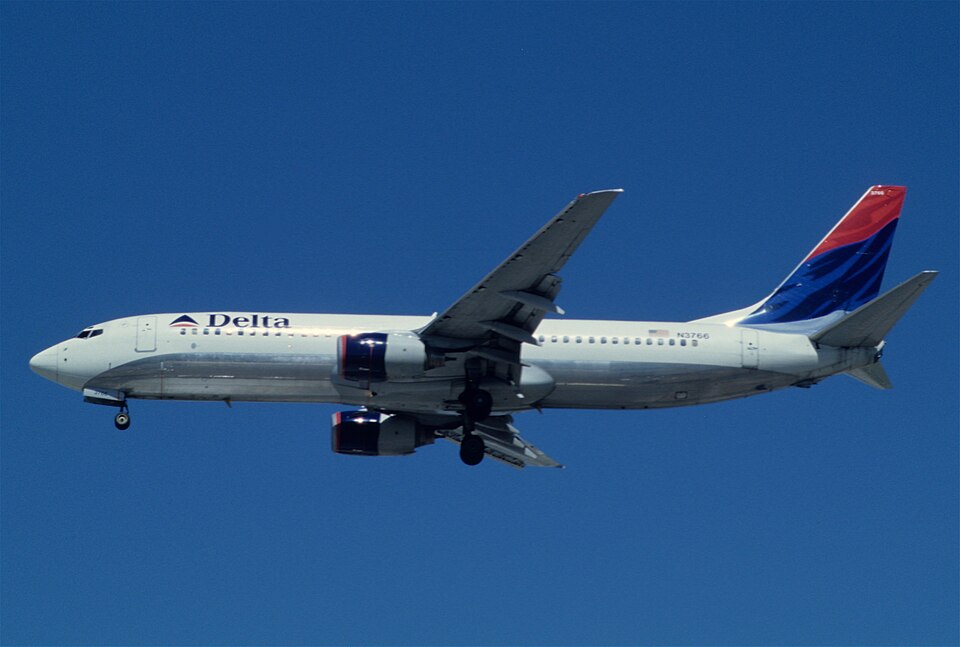
Aircraft registered N3766
Aircraft registered N3766. Photo: Aero Icarus from Zürich, Switzerland / CC BY-SA 2.0, via Wikimedia Commons

A cargo flight operating from Detroit to Chicago crashed during an emergency approach near Portage, resulting in the deaths of both crew members.

What happened

During a nighttime cargo operation traveling from Detroit toward Chicago, the flight crew experienced a mechanical failure involving the left engine. In response to the engine failure, the crew feathered the propeller and received authorization to divert to Kalamazoo Airport for an emergency landing.

While performing the final approach, the crew encountered difficulties extending the landing gear. To manage the situation, the captain initiated a go-around procedure. During this maneuver, the pilot applied full power to the remaining right engine; however, the aircraft lost altitude and struck the ground in Portage, located approximately 2.5 miles southwest of the airport. The impact resulted in the total destruction of the aircraft and two fatalities.

Findings

Investigations into the accident identified several contributing factors regarding the flight's final moments. While the initial cause of the left engine failure remains undetermined, the investigation highlighted critical errors during the go-around attempt. Specifically, the pilot-in-command failed to maintain a safe flying speed while the flaps were fully extended. The findings also noted improper execution of emergency procedures and the potential misuse of flap settings during the climb attempt.

Probable cause

The loss of control occurred because the pilot failed to maintain adequate airspeed during a go-around maneuver following an engine failure.