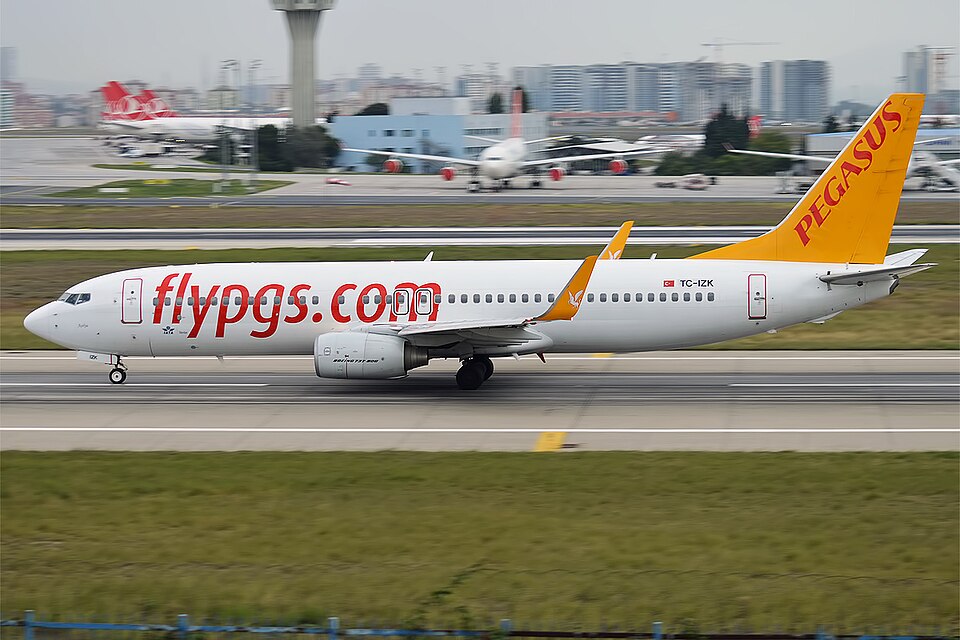
Incident
An aircraft operating a flight from Izmir-Adnan Menderes Airport to Istanbul-Sabiha Gökçen Airport experienced a runway overrun upon landing. The accident occurred during an approach to runway 06 in adverse weather conditions.
Sequence of Events
Weather at the time included thunderstorm activity, rain, cumulonimbus clouds, and wind from 290 degrees gusting to 37 knots. The crew initiated the approach to runway 06, which has a length of 3,000 meters. After touchdown on a wet runway, the aircraft was unable to stop within the remaining distance. It overran the runway, turned slightly to the left, then went down an embankment approximately 25 meters high. The aircraft came to rest broken in three sections.
Casualties and Response
Three passengers were killed. All 180 other occupants were evacuated to local hospitals with various injuries.
Additional Details
Initial assessments indicate that the aircraft apparently landed about 1,500 meters past the runway threshold, with a non-negligible tailwind component that requires confirmation.