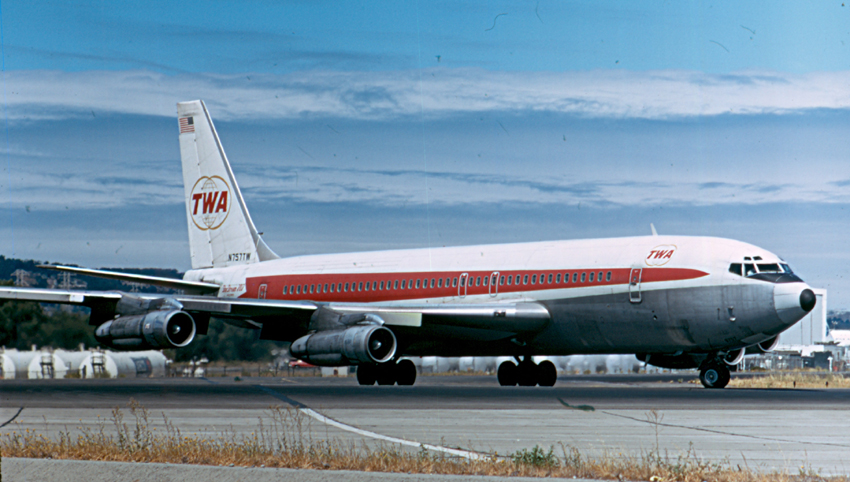
Accident Details
During an uneventful flight from New York-JFK, the crew began a descent to Los Angeles Airport runway 06R over the sea. The weather was clear, but on short final, the crew encountered local patches of fog, and visual contact with the ground was lost. The aircraft continued the approach and landed nose wheel first with a vertical g load of 4.6. This caused the nose wheel to collapse rearward, and a fire started in the nose wheel well area. The fire was initiated by the burning nose gear tires and was fed by hydraulic fluid that escaped from broken nose wheel steering hydraulic lines.
The aircraft was evacuated, resulting in minor or serious injuries to eight passengers. Firefighting personnel were unable to extinguish the fire in the nose wheel well before it spread to the fuselage and destroyed the cockpit and the passenger cabin.
Probable Cause
The probable cause of the accident was the continuation of a visual approach after the flight crew lost outside visual reference because of a low cloud and fog encounter. Contributing factors reported include: while executing a night visual approach over water to runway 06R at the Los Angeles International Airport, the flight encountered ground fog when the crew prepared to flare the aircraft for landing; and the weather in the Los Angeles area was clear, but the existing visibility at the approach end of runway 6R was considerably less than predicted by the National Weather Service because of fog.