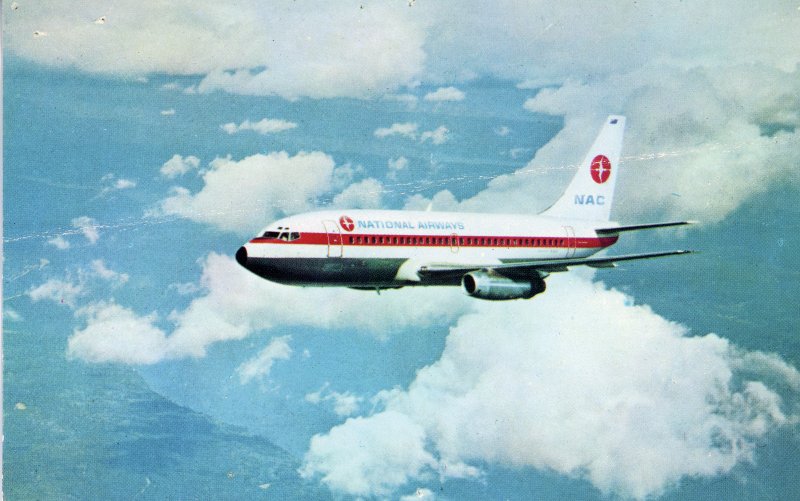
Background and Descent
Western Air Lines Flight 470, en route from Denver to Casper and Minneapolis, departed Denver at 07:03 under an IFR flight plan. The aircraft climbed to FL220 and later descended to 12,000 feet. At 07:36, the crew contacted Casper approach control, reporting a position about 12 miles south of the Evansville Intersection. The controller cleared the flight for the localizer back course approach to runway 25, with options to circle to runway 3 or land straight in. Weather conditions at the time included poor visibility, light snow, and wind from 040° at 9 knots.
One minute later, the approach controller informed the crew that runway 7/25 had been plowed with about 1/4 inch of powder snow on it, and that braking action was reported as poor by a Convair 580. Runway 3/21 was being plowed at that time. At 07:51, Flight 470 reported at the Henning Intersection and was cleared to contact the Casper Tower. The tower controller cleared the flight to land on runway 25, reporting wind from 030° at 8 knots, and advised of a disabled snow blower just west of the intersection of runway 21, on the left side of runway 25 near the edge.
Final Approach and Landing
At 07:41:42, the first officer called out "thousand to go to the field." At 07:42:09, he called "approaching minimums," and twelve seconds later, "just about at minimums." The aircraft then flew level for a few moments at the minimum descent altitude. At 07:42:25, the first officer reported the runway in sight directly below the aircraft. At that time, the airspeed was 150 knots and the flaps were set at 25°. The first officer then set the flaps to 30° as the captain initiated the final descent.
The aircraft crossed the runway threshold at a speed of reference speed plus 15 knots. It touched down 2,375 feet from the departure end of the runway, which is approximately 6,306 feet from the approach end. The aircraft then continued off the departure end of the runway, veering to the right of the centerline. It struck several metal stanchions in the first row of terminal bar lights, located 200 feet beyond the end of the runway, and then struck a shallow irrigation ditch 280 feet from the runway end. The aircraft veered further to the right and came to a stop about 800 feet beyond the departure end of the runway.
Probable Cause
The official investigation determined the probable cause to be the failure of the pilot-in-command to exercise good judgment when he failed to execute a missed approach and continued a non-precision approach to a landing without adequately assessing the aircraft's position relative to the runway threshold. Contributing to the accident were the excessive height and speed at which he crossed the approach end of the runway and the failure of other flight crew members to provide him with required callouts.