Incident Details
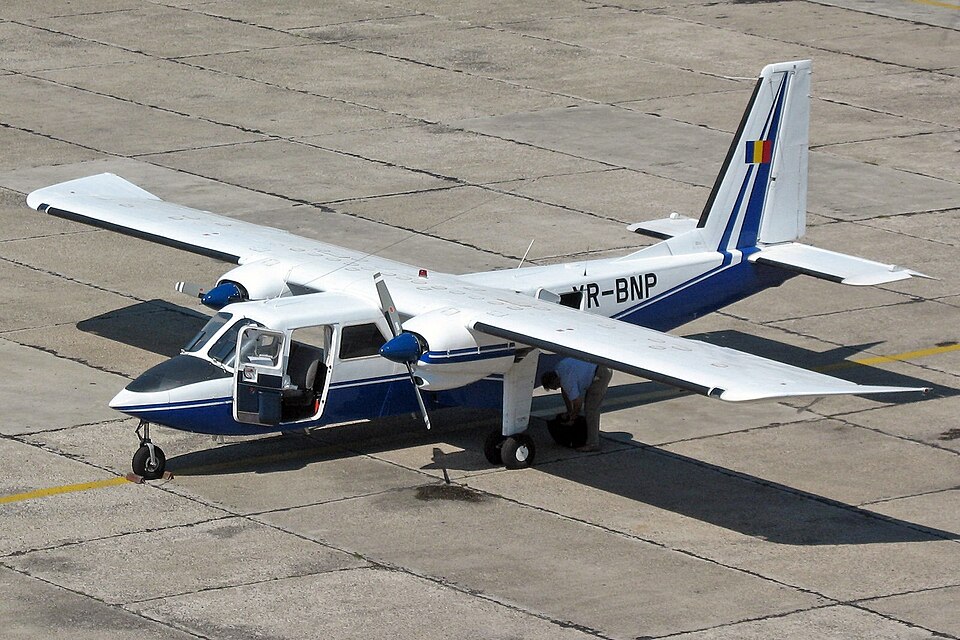
The aircraft, a twin-engine aircraft, departed Bucharest-Baneasa Airport on an ambulance flight to Oradea. On board were two pilots, a medical team, and one patient. The purpose of the flight was to transport doctors to Oradea to obtain transplant organs from a deceased patient.
Sequence of Events
While cruising at an altitude of 6,300 feet over the Apuseni Mountain Range, the crew encountered marginal weather conditions with icing. Despite the conditions, the crew continued the flight. Subsequently, both engines lost power and failed. The crew attempted an emergency landing, but the aircraft collided with trees and crashed on a snowy, wooded hillside at an altitude of 1,400 metres.
Casualties and Damage
One pilot and one passenger were killed, while five other occupants were injured. The aircraft was destroyed.
Probable Cause
The official investigation determined the probable cause to be a double engine failure in flight due to carburetor icing. The following contributing factors were identified:
- Erroneous assessment of the risk factors specific to the conduct of this flight.
- Lack of crew experience on this type of aircraft.
- Erroneous decision of the captain to continue the flight in meteorological conditions that caused the carburetor icing.
- Erroneous decision of the captain to continue to fly for a long period of time in icing conditions.
- Erroneous decision of the captain to continue the mission under the AMA, under conditions of BMI flight according to IFR flight rules.
- Erroneous decision of the crew to initiate the flight while the total weight of the aircraft was above MTOW and the CofG was outside the prescribed limits.