What happened
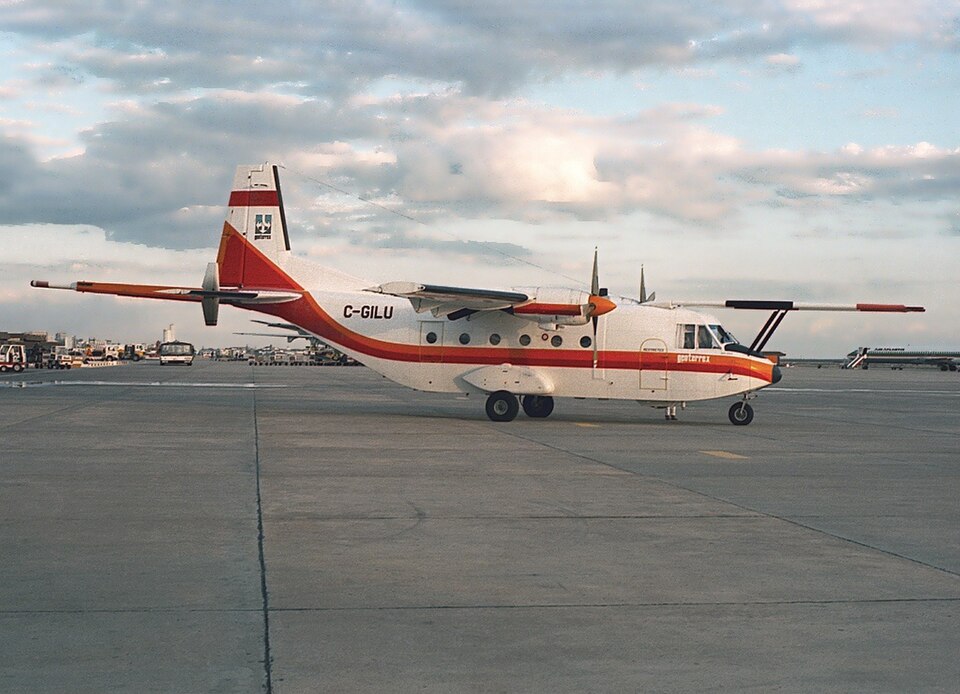
On August 2, 1988, a CASA 212 operated by Geoterrex was performing a ferry flight from Goose Bay, Canada, to Nantes, France. After stopping in Narsarsuaq, Greenland, for refueling, the aircraft departed at 13:50 UTC bound for Reykjavik, Iceland, intending to fly at FL130.
Prior to this journey, the aircraft had been modified for aerial surveying with various probes and a tail boom; however, these components had been removed for the ferry flight. During the departure from Narsarsuaq, the aircraft was operating approximately 3,000 pounds over its maximum allowable takeoff weight. Additionally, while an IFR flight plan was filed, the pilot's instrument rating had expired and the co-pilot lacked the necessary rating.
Upon arriving at Reykjavik, the crew attempted an ILS approach to runway 20. During this phase, the flaps were extended to roughly 25 degrees, which exceeded the approved limit of 10 degrees for that configuration. As the aircraft was about half a mile from the runway threshold, it entered a sharp right turn and the nose pitched down abruptly. The plane completed a 270-degree turn while descending rapidly, impacting the ground approximately 900 feet before the threshold. The impact caused the aircraft to burst into flames, resulting in all fatalities on board.
Findings
Investigations into the accident identified several critical issues regarding the flight's preparation and execution. The aircraft was significantly overweight at takeoff from Greenland. Furthermore, the crew operated without valid instrument ratings for the filed IFR flight plan and utilized improper flap settings during the final approach.