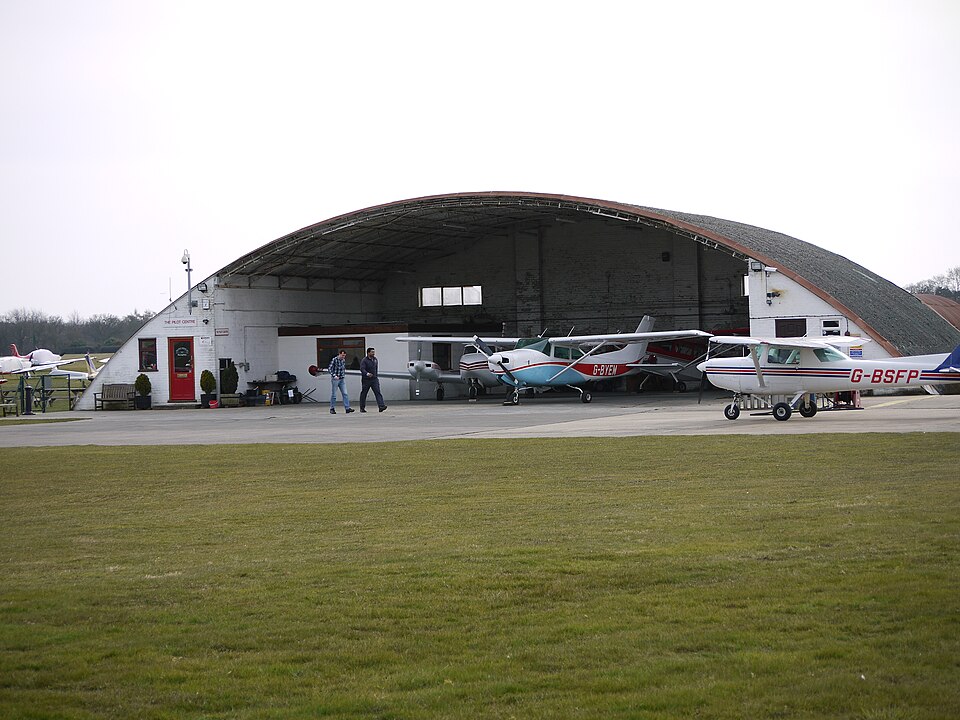
Incident Overview
On 17 September 1999, at 1500 hours UTC, a Cessna 152 (registration G-BSFP, year of manufacture 1982) was conducting a training flight at Peterborough (Sibson) Airport, Cambridgeshire. The aircraft was powered by one Lycoming O-235-N2C piston engine. The sole occupant was a student pilot, aged 40, with 26 hours total flying experience (all on type), including 12 hours in the last 28 days.
Flight Sequence
The student had completed a 55-minute dual training session with an instructor before proceeding to solo circuits. The first four circuits were carried out successfully. On the fifth approach, the student performed a go-around. A subsequent approach also resulted in a go-around. On the next approach, the instructor provided radio assistance. The student executed a normal flare but then pushed the aircraft's nose down onto the runway, causing the aircraft to bounce before landing again.
Damage and Injuries
The nosewheel leg was displaced, and the engine frame was bent. No injuries were reported among the crew (the student pilot was the only occupant).
Assessment
The instructor assessed the cause of the incident as the student becoming tired during an overlong training session and becoming anxious after carrying out several go-arounds.