Incident Overview
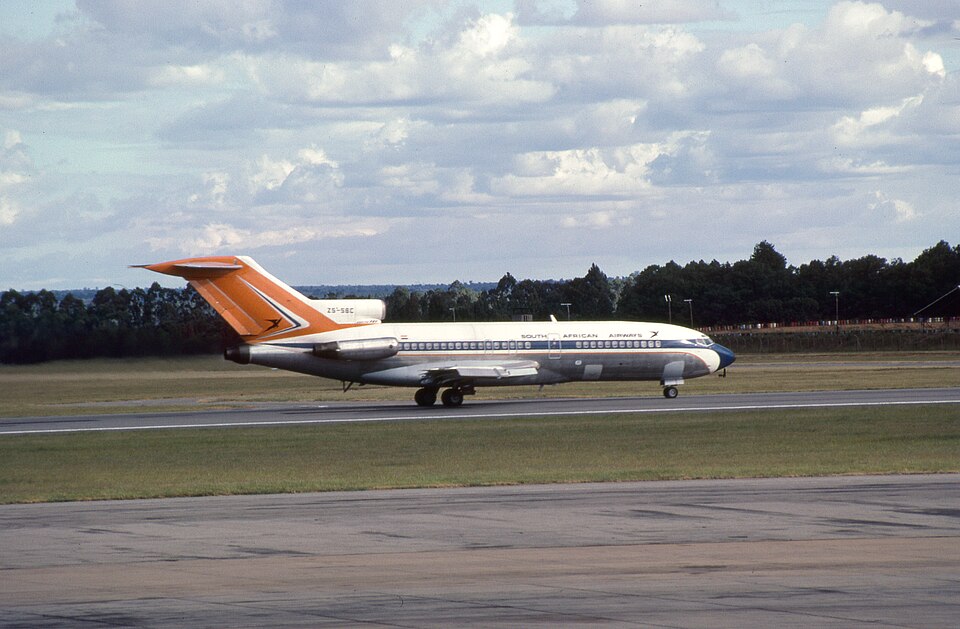
On 29 March 2025, a Cessna 152 (registration ZS-SBC) departed from Virginia Aerodrome (FAVG) in Durban, KwaZulu-Natal, on a private hour-building flight. The aircraft carried one pilot and one passenger. The planned route included stops at Harding and Pietermaritzburg Airport before returning to FAVG. The flight was conducted under visual meteorological conditions (VMC) by day, in accordance with Part 91 of the Civil Aviation Regulations (CAR) 2011.
The pilot did not visually confirm fuel quantity during the pre-flight inspection. The flight plan indicated a duration of 2 hours 25 minutes. After departing at approximately 0653Z, the aircraft cruised at 107 knots. The pilot completed a touch-and-go landing at Pietermaritzburg Airport (Runway 16) before heading back to FAVG. Approximately 10 nautical miles south of FAVG, the engine ran rough and subsequently lost all power. The pilot and passenger (also a private pilot) attempted troubleshooting without success.
Forced Landing and Aftermath
The passenger contacted FAVG control tower via VHF 120.60 MHz to declare the emergency. As the aircraft lost altitude rapidly, the pilot selected 30 degrees of flaps and executed a forced landing on the beach shoreline near Beachwood Mangroves Nature Reserve. After the aircraft stopped, the pilot turned off the master switch and fuel selector valve. Both occupants evacuated safely. There were no injuries and the aircraft sustained no damage.
Aircraft and Fuel Information
The Cessna 152 (serial number 15280336) had a total of 9915.4 airframe hours. The aircraft was equipped with standard fuel tanks holding a total of 26 US gallons (98.4 litres), of which 24.5 US gallons (92.7 litres) were usable. The intended flight required 13.3 US gallons (50.3 litres) of aviation gasoline.
A review of the flight folio revealed that on 25 March 2025, 27 litres (7.4 US gallons) of fuel were added, and the aircraft was flown for 2.7 hours. On 27 March 2025, two flights totaling 1 hour 53 minutes were conducted with no recorded fuel uplift. On 28 March 2025, 33 litres (8.7 US gallons) were added. At departure on 29 March 2025, the aircraft had insufficient fuel for the planned flight.
Pilot Information
The pilot held a Private Pilot Licence (PPL) issued on 21 February 2025, valid until 31 January 2026, and a Class 2 aviation medical certificate valid until 30 September 2029. The pilot had a total of 77 flying hours, all on the Cessna 152 type.
Findings
- The aircraft had a valid Certificate of Airworthiness and Certificate of Registration. The last mandatory periodic inspection (MPI) was on 12 February 2025 at 8924.61 hours; by the incident date, the aircraft had accumulated 8989.8 hours.
- Weather conditions were clear and not contributory.
- The aircraft departed with insufficient fuel for the planned route.
Probable Cause
Engine failure due to fuel exhaustion.
Safety Actions
The operator was advised to ensure adherence to fuel policy when leasing aircraft to pilots, noting that pilots building hours may upload minimum fuel to contain costs.