Flight and Weather Conditions
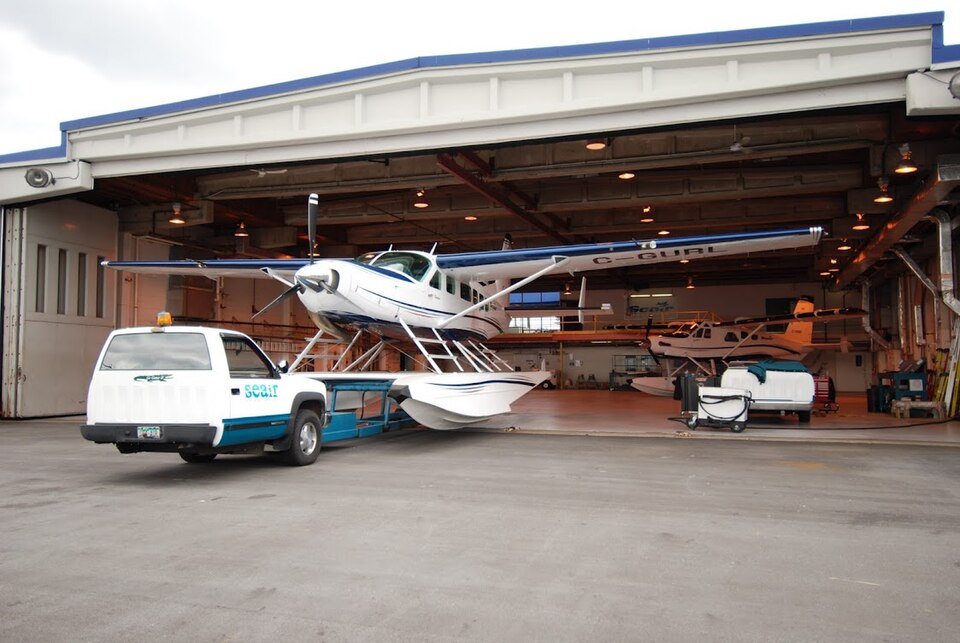
On 26 July 2019, a Seair Seaplanes Cessna 208 Caravan (registration C-GURL, serial number 20800501) was scheduled to transport guests and supplies from Vancouver International Water Aerodrome (CAM9), British Columbia, to a remote fishing lodge on the central coast. The pilot arrived at CAM9 around 0630, completed a daily inspection, added 300 L of fuel, and began flight planning. Four Seair VFR flights were scheduled that morning, all Caravans, but poor weather in the central coast region caused delays. After consulting weather cameras, flights departed in a different order. The occurrence aircraft departed at 0932.
Flight Path and Communication
After leaving the Vancouver terminal control area, the aircraft climbed to 4500 feet ASL and held that altitude until 1023, then began a slow descent. It levelled at 1300 feet ASL at 1044, about 18 NM northeast of Port Hardy Airport. At 1050, it descended again, extending flaps to 10°. By 1056, the aircraft was at 330 feet ASL, flying over the ocean along the coastline. Meanwhile, another Seair Caravan, C-FLAC, departed the lodge at 1056 on a return flight. C-FLAC encountered heavy rain with visibility reduced to about 1 SM and flew at low altitude. The two aircraft established radio contact near Fitz Hugh Sound. The C-FLAC pilot reported that Addenbroke Island was visible when he passed, and described heavy rain showers and 1 SM visibility near Kelpie Point. The occurrence pilot stated he would stay along the eastern shoreline.
Collision with Terrain
At 1103, the two aircraft passed each other on reciprocal tracks, separated by 2 NM, about 4 NM south of the accident site. The occurrence aircraft maintained track and altitude for 54 seconds, then began a 25° turn westward, 0.35 NM from Addenbroke Island's shoreline. Seven seconds later, it entered a shallow climb averaging 665 fpm. At 1104:55, the aircraft struck trees on Addenbroke Island at approximately 490 feet ASL, airspeed 114 knots, in a relatively straight and level attitude. It continued through heavily forested hillside for about 450 feet, coming to rest at 425 feet ASL, 9.7 NM east-southeast of the destination lodge. The pilot and three passengers were killed; five other occupants were injured, four seriously.