Accident Overview
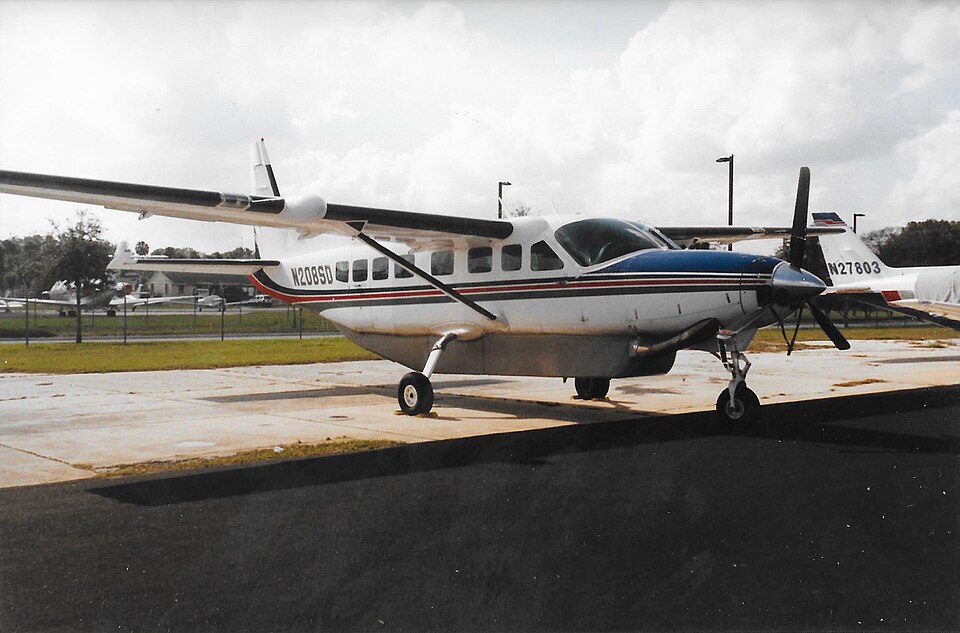
On October 2, 2016, about 1157 Alaska daylight time, Ravn Connect flight 3153, a turbine-powered Cessna 208B Grand Caravan (registration N208SD), collided with steep, mountainous terrain approximately 10 nautical miles northwest of Togiak Airport (PATG), Togiak, Alaska. The two commercial pilots and the passenger were killed, and the airplane was destroyed.
Flight Details
The scheduled commuter flight was operated by Hageland Aviation Services, Inc., of Anchorage, Alaska, under Title 14 Code of Federal Regulations Part 135. The flight was conducted under visual flight rules (VFR). It departed Quinhagak Airport, Quinhagak, Alaska, about 1133 and was en route to PATG. Company flight-following procedures were in effect.
Weather Conditions
Visual meteorological conditions prevailed at PATG, the closest weather-observing station to the accident site. However, a second company flight crew, which departed about two minutes after the accident airplane and initially followed a similar route, reported that they observed unexpected fog, changing clouds, and the potential for rain along the accident route.
Probable Cause
The official probable cause was the flight crew's decision to continue the VFR flight into deteriorating visibility and their failure to perform an immediate escape maneuver after entry into instrument meteorological conditions, which resulted in controlled flight into terrain (CFIT). Contributing factors included: Hageland's allowance of routine use of the terrain inhibit switch for inhibiting terrain awareness and warning system alerts, along with inadequate guidance for uninhibiting the alerts, which reduced the margin of safety; Hageland's inadequate crew resource management (CRM) training; the Federal Aviation Administration's failure to ensure that Hageland's approved CRM training contained all required elements of Title 14 Code of Federal Regulations 135.330; and Hageland's CFIT-avoidance ground training, which was not tailored to the company's operations and did not address current CFIT-avoidance technologies.