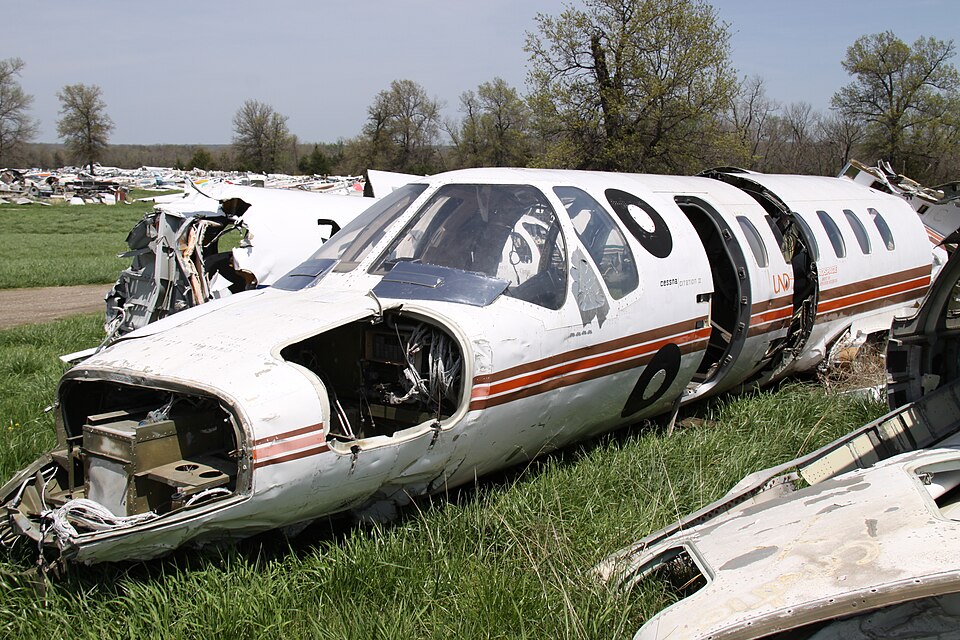
Accident Overview
An airplane equipped for icing research, operated under 14 CFR Part 91 by an airline transport certificated captain and a commercial certificated co-pilot, lost power in both engines during cruise flight. The aircraft sustained substantial damage during a forced landing on frozen, snow-covered terrain after striking small burned trees.
Flight and Icing Conditions
The flight was conducted in instrument meteorological icing conditions with the purpose of locating icing conditions for a prototype helicopter's in-flight icing tests. The aircraft accumulated approximately 1 inch of ice on the leading edges of the wings. After the captain activated the pneumatic deicing boots, the ice was shed from both wings. About four minutes later, both engines simultaneously lost all power. Multiple restart attempts were unsuccessful.
Aircraft Systems
The ice control system consisted of two separate systems: anti-ice and deice. The majority of the wings were deiced by pneumatic inflating boots. The inboard section of the wings, directly in front of the engine air inlets, and the engine air inlets themselves, utilized a heated anti-ice surface to prevent ice accretion and potential ice ingestion. The anti-ice system required manual activation by the flight crew before entering icing conditions.
Pre- and Post-Activation Observations
A researcher in the aft cabin photographed the wings before and after deice boot activation. Pre-activation photos showed about 1 inch of ice on the wings, including the anti-ice (heated) inboard portions. Post-activation photos revealed that ice was removed from the booted wings but remained on the inboard anti-ice segments.
Manufacturer Input and Flight Manual
An engineer from the airplane manufacturer stated that if the anti-ice system was activated after ice had accumulated, it would take 2 to 4 minutes for the anti-ice portions and engine inlets to heat sufficiently to shed the ice. A section of the airplane's flight manual read: "Failure to switch on the [anti-ice] system before ice accumulation has begun may result in engine damage due to ice ingestion."
Post-Accident Inspection
Inspection of the anti-ice components revealed no anomalies, and there was no record of recent problems with the system. An NTSB power plant engineer discovered catastrophic engine damage consistent with ice ingestion.
Crew Actions and Procedures
The flight crew reported that the anti-ice activation switch was on the captain's side and they could not recall if or when the anti-ice system was activated. They stated they did not discuss its use or use a checklist that addressed the anti-ice system.