Incident Overview
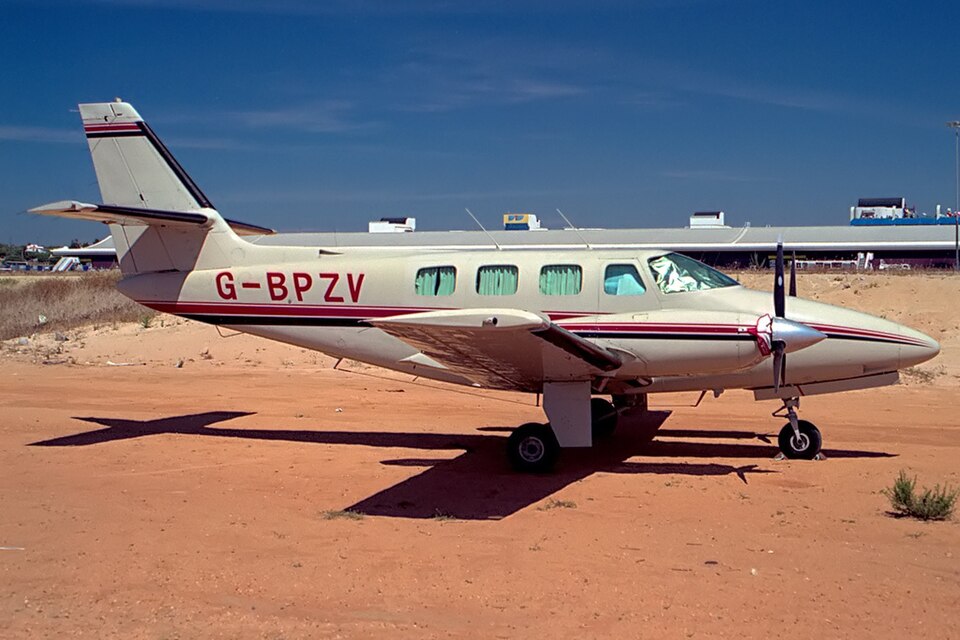
A light aircraft departed Exeter for a flight to Guernsey. During the climb to flight level 35, the pilot noticed a slight smell of fumes in the cockpit. As the aircraft passed the SKERRY waypoint by approximately four to five nautical miles, smoke was observed coming from under the right-hand instrument panel.
Response and Decision to Ditch
The pilot instructed the passenger to investigate the source of the smoke, but the passenger reported no visible burning. The pilot then informed Jersey control of the situation and advised that he was returning direct to Start Point, the nearest land on the coast. After switching to Exeter Radar, the pilot initiated a descent in case an immediate ditching became necessary and briefed the passenger to don a life jacket. The passenger was directed to sit at the rear of the cabin, adjacent to the door, so he could deploy the life raft through the upper half of the door if required.
As the density of the smoke and fumes increased, the pilot chose to carry out a controlled ditching, fearing that attempting to reach the coast would result in being overcome by fumes. He did not open the cabin air vents, concerned that this might escalate any hidden fire, and kept the master switch on to maintain radio contact with Exeter Radar.
Ditching and Rescue
The pilot transmitted a Mayday call with a full position report. At 200 feet above mean sea level, he shut down both engines and feathered the propellers. Estimating the sea swell to be between eight and ten feet, with a strong wind of 20 knots, he decided to land into the wind. The aircraft contacted the water at approximately 70 knots, plunging into a swell that generated what the pilot described as a 'tremendous' impact.
The aircraft floated for about one and a half minutes before sinking, allowing both occupants to safely escape from the rear door. Once in the water, it took an estimated 20 minutes to inflate the life raft, but the life jackets provided adequate support during this period. The pilot noted that flares and a handheld radio were carried on board but were lost during the ditching. Approximately 45 minutes later, an SAR helicopter from RAF Chivenor arrived on scene, recovered both survivors, and transported them to a hospital in Exeter. The pilot, wearing a lap and diagonal restraint, and the passenger, wearing only a lap strap, were largely uninjured.