Flight Details
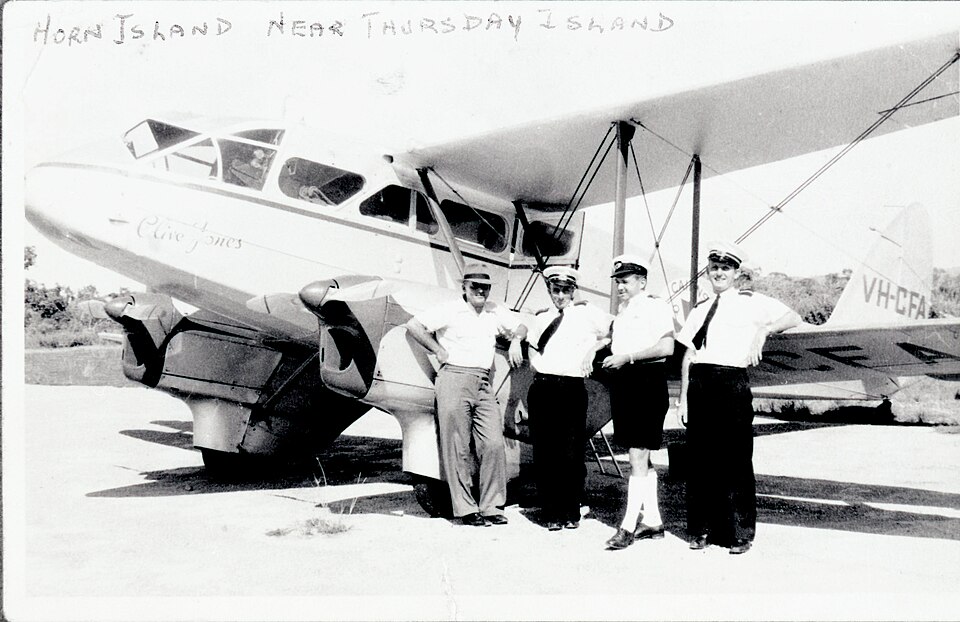
An aircraft, a De Havilland DH.89 Rapide, was returning to Cairns after an ambulance flight to Vanrook Station. The flight was transporting a seriously injured stockman to Cairns Base Hospital. The crew consisted of Captain Neville Hicks as pilot, with passengers Keith Howard (ambulance officer) and Larry Hansen (friend of the injured man).
Incident
The aircraft was not equipped with radio navigation aids. While approaching Cairns, the pilot encountered thick smoke from the annual sugar cane burn-off by farmers, which prevented him from locating the airport. As fuel levels became critically low, the pilot made the decision to ditch the aircraft in the sea, approximately 24 kilometers (15 miles) north of Cairns.
Survival and Aftermath
Upon ditching, the aircraft sank immediately. The three occupants—the pilot, ambulance officer, and friend—were able to escape and swam to shore, reaching the beach after six hours in the water. The unconscious patient could not be dragged from the aircraft before it sank.
Probable Cause
Official findings attributed the accident to fuel exhaustion.