Incident
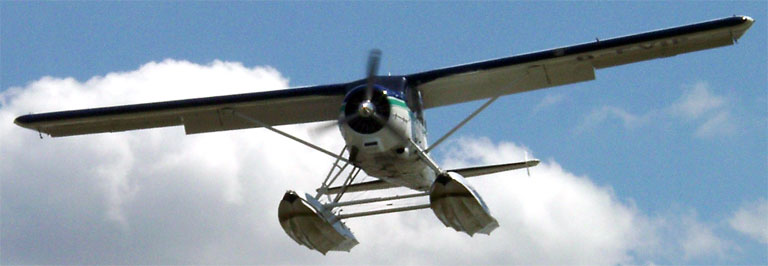
On a sightseeing tour over Hamburg, a seaplane operated by Himmelsschreiber Azur GmbH crashed approximately two minutes after takeoff from the Hamburg-Norderelbe Seaplane Base. The engine lost power and caught fire, prompting the pilot to attempt an emergency landing. The aircraft lost height, collided with a wagon, and came to rest on a railway road in a marshalling yard about 2 km south of the departure point. A post-crash fire consumed the aircraft.
Occupants and Injuries
The flight carried the pilot and five passengers. The father had gifted the tour to his 12-year-old son. Four passengers were killed in the accident. The pilot and one additional passenger sustained serious injuries. The pilot died the following day.
Aircraft Damage
The aircraft was totally destroyed by the post-crash fire.
Investigation and Probable Cause
The official investigation determined that a technical problem occurred on a fuel supply line shortly after takeoff, at an altitude below 800 feet, resulting in the immediate failure of the engine, which caught fire shortly thereafter. The investigation cited the lack of suitable terrain for an emergency landing in the vicinity as a contributing factor.