Occurrence
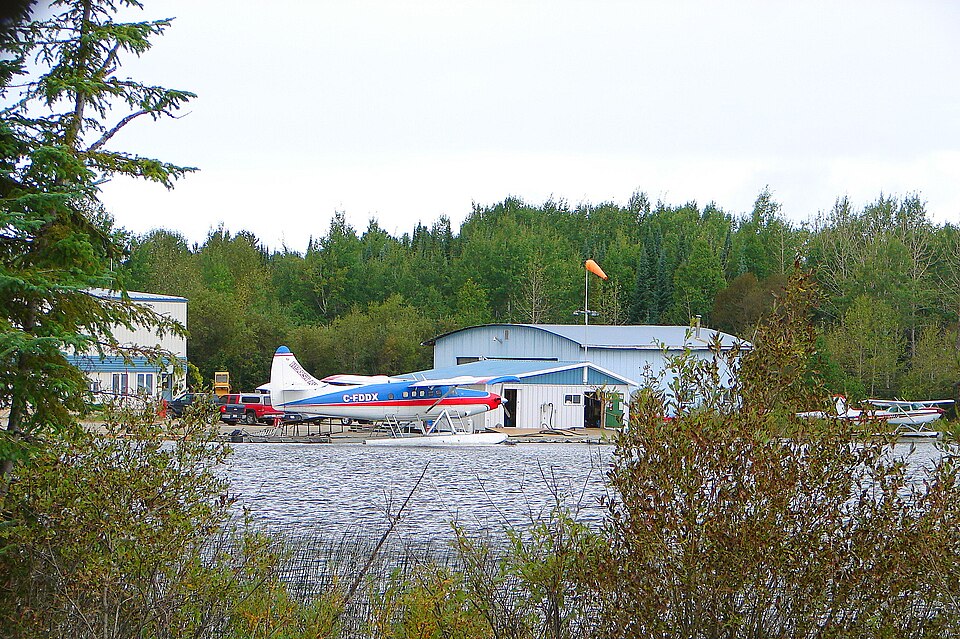
On 12 October 2022, at approximately 0929 Eastern Daylight Time, a True North Airways Inc. de Havilland DHC-3 Otter aircraft on floats (registration C-FDDX, serial number 165) was conducting a visual flight rules flight from Mistissini Water Aerodrome (CSE6), Quebec, to Pluto Lake, Quebec. The flight, with one pilot on board, was intended to deliver cargo and pick up passengers. While maneuvering for landing on Pluto Lake, the aircraft collided with the water surface.
Injuries and Damage
The pilot sustained serious injuries. Passengers waiting near the lake transported the pilot to a nearby cabin, from which he was later taken to hospital by a search and rescue helicopter. The aircraft sustained significant damage, and its emergency locator transmitter activated.
Investigation Findings
The investigation determined that the pilot continued the approach despite visibility in the local area being below the minimum required for visual flight rules flight. Factors influencing this decision included visual cues of the landing area, the close proximity of the landing site where passengers were waiting, and the natural tendency to continue a plan under changing conditions.
Due to reduced visibility, the pilot's workload was high while maneuvering for landing, with attention focused predominantly outside the aircraft to keep the landing area in sight. Consequently, a reduction in airspeed went unnoticed. During the aircraft's turn from base to final, increased wing loading combined with reduced airspeed resulted in a stall at an altitude too low to permit recovery.
The pilot was not wearing the shoulder harness while at the controls, finding it uncomfortable and noting that other aircraft he flew were not equipped with one. As a result, during impact with the water, the pilot received serious injuries.
Other Findings
The aircraft was carrying dangerous goods, although the operator was not authorized to do so on its DHC-3 Otter aircraft. For unknown reasons, the pilot encountered difficulty inflating his personal flotation device and, due to proximity to shore, removed it to swim.
The investigation also noted risks from stall warning systems that do not provide multiple alert types, inaccurate contact information in the Canadian Beacon Registry, and lack of robust flight-following procedures, though these were not factors in this occurrence.