1 fatality

1982-02-21: De Havilland DHC-6 Twin Otter (N127PM) — Pilgrim Airlines — Providence, United States of America

Providence, United States of AmericaFlight

On February 21, 1982, a De Havilland DHC-6 Twin Otter (registration N127PM) operated by Pilgrim Airlines was involved in an aviation accident near Providence, United States of America in flight. One person was killed. Investigators recorded the probable cause as: The deficient design of the isopropyl alcohol windshield washer/deicer system and the inadequate maintenance of the system which resulted in an in-flight fire. The ignition source of the fire was not determined. This summary draws on records from the Bureau of Aircraft Accidents Archives (B3A); 3 related events involving the same aircraft type or operator are linked below.

Sourcesthe Bureau of Aircraft Accidents Archives (B3A)Primary reportUpdated 1781221763Data APIEditorial standards
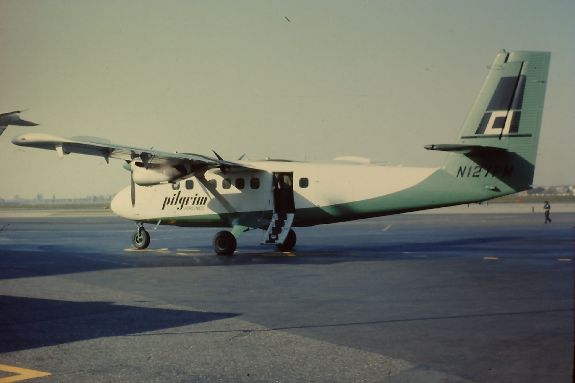
Aircraft registered N127PM
Aircraft registered N127PM. Photo: SDASM Archives / Public domain, via Wikimedia Commons

After deicing system activated at 4,000 feet, smoke and flames filled cockpit, forcing crew to land on ice-covered reservoir. Left gear collapsed, right wing sheared off; one passenger killed, eleven injured.

Incident Overview

While flying at approximately 4,000 feet, the flight crew observed light icing on the windshield and activated the deicing system. After two cycles of operation, the smell of alcohol was detected in the cockpit, followed by smoke emanating from the control yoke. The crew initiated an emergency landing attempt at Providence, Rhode Island, but escalating smoke and flames compelled them to land on a reservoir covered with 10–12 inches of ice.

Emergency Landing

During the descent, heavy black smoke filled the cockpit, and fire became visible. Upon touchdown on the icy surface, the left main landing gear collapsed and the right wing was sheared off. The aircraft came to a stop on the reservoir.

Casualties and Damage

Eleven occupants escaped the aircraft and sustained injuries. One passenger was killed. The aircraft sustained substantial damage from the fire and impact.

Probable Cause

According to the official investigation, the probable cause was the deficient design of the isopropyl alcohol windshield washer/deicer system and the inadequate maintenance of the system, which resulted in an in-flight fire. The ignition source of the fire was not determined.