2 fatalities

1978-12-04: De Havilland DHC-6 Twin Otter (N25RM) — Rocky Mountain Airways — Steamboat Springs-Bob Adams, United States of America

Steamboat Springs-Bob Adams, United States of AmericaTakeoff (climb)

On December 4, 1978, a De Havilland DHC-6 Twin Otter (registration N25RM) operated by Rocky Mountain Airways was involved in an aviation accident near Steamboat Springs-Bob Adams, United States of America during takeoff. 2 people were killed. Investigators recorded the probable cause as: The probable cause of the accident was severe icing and strong downdrafts associated with a mountain wave which combined to exceed the aircraft's capability to maintain flight. This summary draws on records from the Bureau of Aircraft Accidents Archives (B3A); 10 related events involving the same aircraft type or operator are linked below.

Sourcesthe Bureau of Aircraft Accidents Archives (B3A)Primary reportUpdated 1781225844Data APIEditorial standards
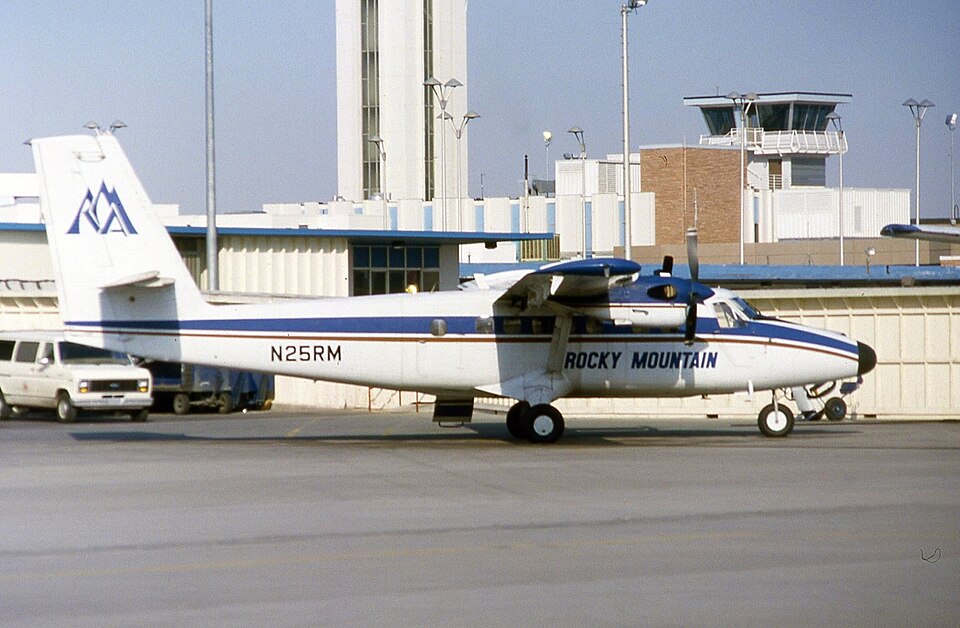
Aircraft registered N25RM
Aircraft registered N25RM. Photo: Pete Macklin / CC BY 2.0, via Wikimedia Commons

A scheduled commuter flight from Steamboat Springs to Denver crashed into a mountain at 10,530 feet after encountering severe icing. One pilot and one passenger died; 20 others were injured, most seriously. Official probable cause cited severe icing and downdrafts from a mountain wave.

Accident Details

A scheduled commuter flight departed Steamboat Springs-Bob Adams Airport at 1855 local time bound for Denver-Stapleton, carrying 20 passengers and a crew of two. During climb, the crew encountered severe icing conditions and received clearance to return. The aircraft subsequently crashed into a mountain at the 10,530-foot level.

Casualties and Rescue

Rescuers arrived at the crash site the following morning. One pilot and one passenger died in the accident; the other 20 occupants sustained injuries, most of them serious.

Weather Conditions

Official observations taken approximately 25 minutes before the accident at Steamboat Springs indicated an estimated overcast ceiling of 2,000 feet and visibility of 6 miles in freezing rain. After the crash, surviving passengers reported that snow was falling at the site and a strong, gusty wind was blowing from the west.

Probable Cause

The probable cause of the accident was severe icing and strong downdrafts associated with a mountain wave which combined to exceed the aircraft's capability to maintain flight. Contributing to the accident was the captain's decision to fly into probable icing conditions that exceeded the conditions authorised by company directive.