Accident Overview
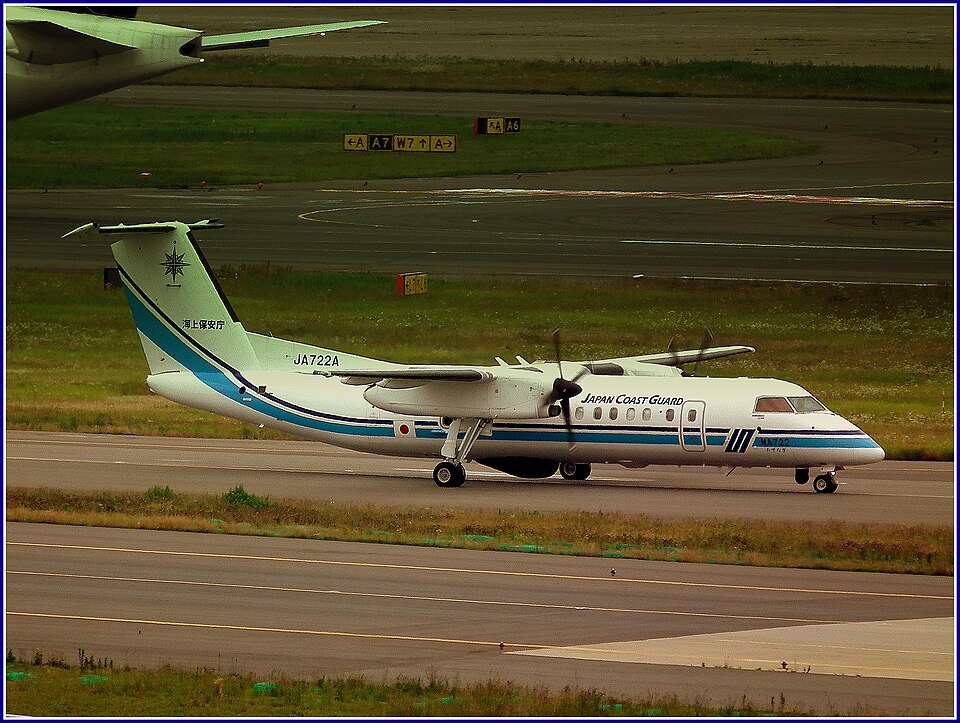
On a night approach to Tokyo-Haneda Airport Runway 34R, the crew of Japan Airlines flight JL516 (an Airbus A350) from Sapporo-New Chitose Airport was informed about traffic holding by taxiway C5. Weather conditions were reported as good. A De Havilland DHC-8-315Q MPA operated by the Japan Coast Guard, dispatched from Tokyo to Niigata, was on a support mission for victims of a recent earthquake. The Coast Guard aircraft carried a crew of six and had been instructed by ground ATC to hold short at taxiway C5.
Sequence of Events
After touchdown on Runway 34R, the Airbus A350 collided with the Dash-8, which was aligned on the runway centerline. Upon impact, the nose gear of the Airbus was torn off, and a violent explosion occurred. The Airbus caught fire, slid for approximately 2,400 meters, then veered to the right and came to rest in a grassy area near taxiway C11, about 200 meters from the threshold of Runway 16L, bursting into flames.
Aftermath
All 379 occupants of the Airbus evacuated the airplane; among them, 15 were injured. The Airbus was later consumed by fire and totally destroyed. The Dash-8 was also totally destroyed by impact forces and a post-crash fire. Of its six crew members, only the captain survived, critically injured; the other five crew members were killed.
Preliminary Findings
According to a preliminary report released by the Japan Minister of Transport, the crew of JL516 had been cleared to land on Runway 34R, and the crew of the Japan Coast Guard Dash-8 had been instructed to hold short at taxiway C5. The report also noted that the stop bar lights for taxiways C1 through C14 had been unserviceable since December 25, as per a published NOTAM.