Incident Overview
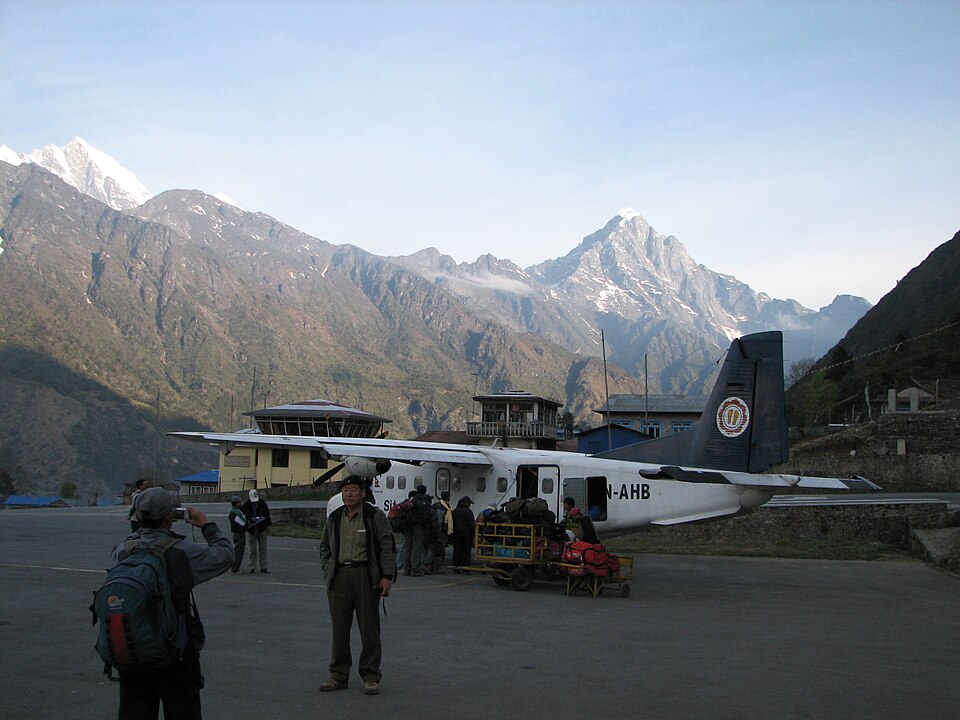
A twin-engine aircraft operating a charter flight from Nepalgunj to Simikot was involved in a hard landing accident at Simikot Airport. The flight carried two pilots and five passengers. During the approach to the airport, the crew encountered ground fog and low visibility, prompting them to initiate a go-around procedure. Two subsequent landing attempts were also abandoned within minutes.
Final Approach and Impact
On the fourth attempt to land, the crew continued the approach without sufficient visual contact with the ground. The aircraft passed through the clouds and landed hard short of runway 28. Upon impact, the undercarriage was torn off. The aircraft then slid for several dozen meters, veered to the right, and came to rest on the right side of the runway with its left wing broken in two.
Occupants and Damage
All seven occupants escaped uninjured. The aircraft sustained damage beyond repair.
Investigation
The accident investigation is ongoing. No probable cause has been stated in the available source.