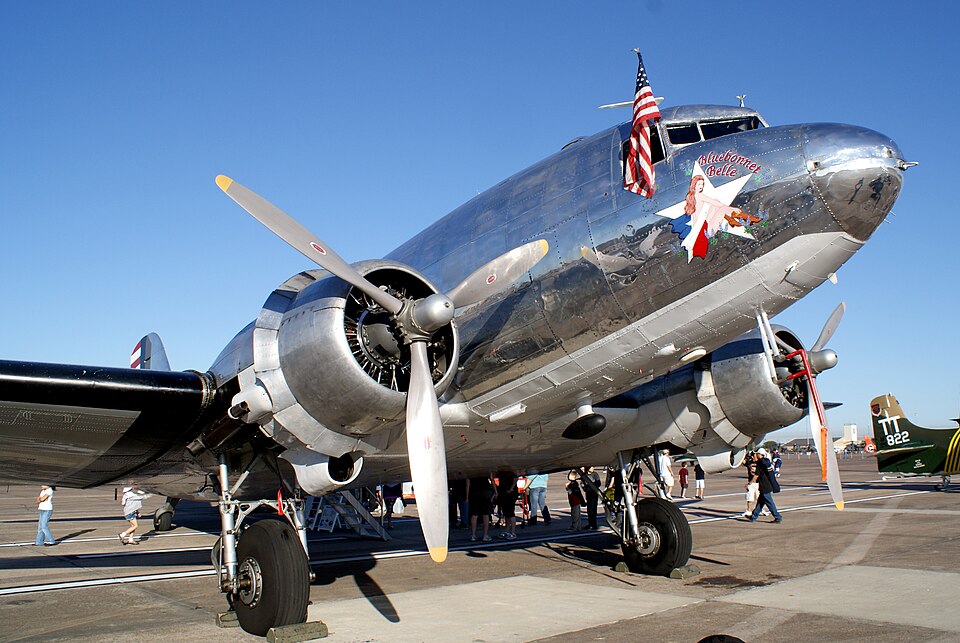
Flight Briefing and Takeoff Plan
According to the copilot, before takeoff, he and the pilot had briefed that the copilot would conduct the takeoff and act as pilot flying, while the pilot would serve as pilot monitoring. The accident flight was the copilot's first takeoff in the accident airplane at or near its maximum gross weight.
Loss of Directional Control
The pilot reported that he taxied the airplane onto the runway and locked the tailwheel before the copilot took over the controls. About 13 seconds after the start of the takeoff roll, the airplane veered slightly right. The copilot counteracted with left rudder input, causing the airplane to swerve left. Shortly thereafter, the pilot took control. The airplane briefly became airborne; the pilot stated he knew it was slow and attempted to ease it back to the runway.
Stall and Impact
During the attempted recovery, the pilot felt a shudder described as “of a stall,” and the airplane rolled left, impacting the ground. The right main landing gear collapsed, and the left wing struck the ground. After the airplane came to a stop, a postimpact fire ensued. All occupants egressed through the aft left door.
Postaccident Examination
Postaccident examination revealed no evidence of mechanical malfunctions or failures with the flight controls or tailwheel. Both outboard portions of the aluminum shear pin within the tailwheel strut assembly were sheared off, consistent with side loads during the impact sequence. The copilot had obtained his pilot-in-command type rating about 2 months and 2 weeks before the accident, respectively, and his checkout for the accident airplane around the same time. He had conducted two flights in the airplane with a unit instructor before the accident. The instructor noted that the copilot had directional control issues, made “lazy inputs, similar to those for small airplanes,” tended to go right first, and overcorrected left by leaving inputs in too long. After checkout, the copilot could take off and land without assistance, but the instructor had concerns about his reaction time to heading divergence on the ground.
Probable Cause
The official probable cause, as stated in the investigation report: The copilot's failure to maintain directional control during the initial takeoff roll and the pilot's failure to adequately monitor the copilot during the takeoff and his delayed remedial action, which resulted in the airplane briefly becoming airborne and subsequently experiencing an aerodynamic stall.