Paraglider Crash in Puente Alto Injures Pilot and Passenger
A SkyWalk Join't 3 paraglider crashed into the ground near Las Vizcachas, Chile, on September 1, 2024. The pilot and passenger sustained serious spinal…
On July 28, 2006, a Douglas DC-10 (registration N391FE) operated by Federal Express - FedEx was involved in an aviation accident near Memphis, United States of America during landing or approach. No fatalities were reported. Investigators recorded the probable cause as: The failure of the left main landing gear due to fatigue cracking in the air filler valve hole on the aft side of the landing gear. The fatigue cracking occurred due to the presence of stray nickel plating in the air filler valve hole. This summary draws on records from the Bureau of Aircraft Accidents Archives (B3A); 4 related events involving the same aircraft type or operator are linked below.
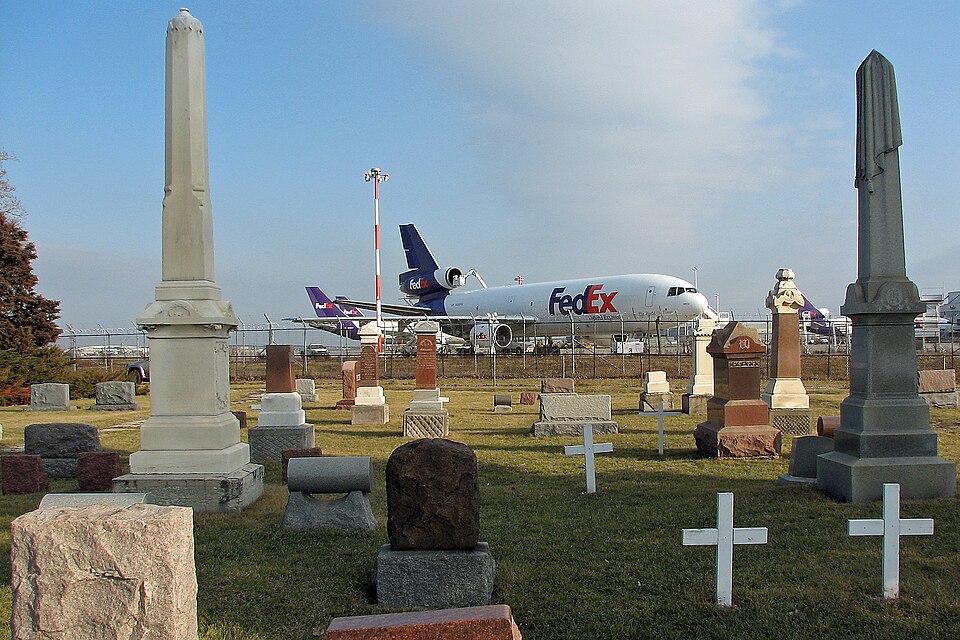
An MD-10 left main landing gear failed during landing due to fatigue cracking at the air filler valve hole, caused by stray nickel plating and inadequate maintenance procedures.
The failure of the left main landing gear due to fatigue cracking in the air filler valve hole on the aft side of the landing gear. The fatigue cracking occurred due to the presence of stray nickel plating in the air filler valve hole. Contributing to this was the inadequate maintenance procedures to prevent nickel plating from entering the air filler valve hole during overhaul.
A SkyWalk Join't 3 paraglider crashed into the ground near Las Vizcachas, Chile, on September 1, 2024. The pilot and passenger sustained serious spinal…
A Cessna 172N struck electrical cables while on final approach to land at Aucó Aerodrome in Chile. The pilot was uninjured, but the aircraft sustained damage…
A Bombardier DHC-8-402 suffered a tail strike during landing at Puerto Williams on September 9, 2024. All 76 occupants were unharmed, but the aircraft…
A MYD JS-MD 3 glider veered off the runway and struck a wall at Vitacura Aerodrome on January 6, 2025. The pilot was uninjured, but the aircraft sustained…
A recreational paraglider flight in Puchuncaví, Chile, ended with the pilot sustaining serious injuries after a rapid descent and impact with a hillside on…
A Tecnam P2006T landed on its belly at an aerodrome in Poland after the crew failed to confirm landing gear deployment. The incident resulted in no injuries…