Incident Overview
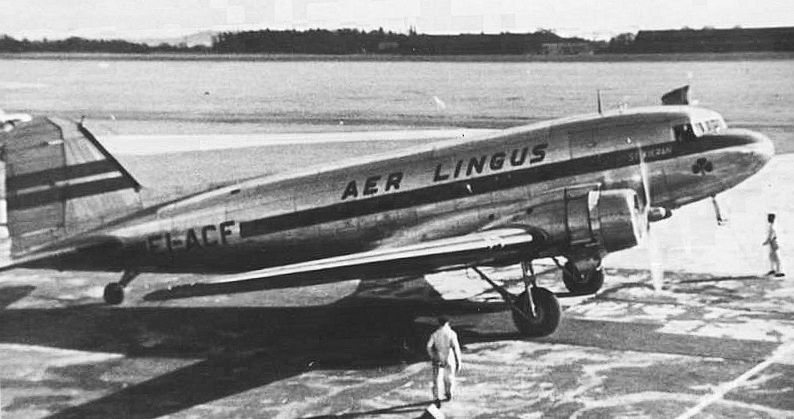
On the day of the accident, an aircraft christened 'St Kieran' departed Dublin at 0936 LT bound for Birmingham, carrying 22 passengers and a crew of three. While cruising at an altitude of 5,000 feet, both engines lost power. The crew decided to make an emergency landing, and the aircraft came to rest in a field located in Spernall. The aircraft was damaged beyond repair. All 25 occupants were evacuated safely, with the exception of the copilot who was injured.
Circumstances of the Power Loss
The investigation determined that the loss of engine power was due to fuel starvation. The fuel starvation resulted from selecting the port engine to the right main tank, which was also the tank selected for the starboard engine. The crew had ample fuel on board for the flight and believed the engines were drawing from their respective main tanks. The failure to diagnose fuel starvation was attributed to a lack of coordinated effort by the Captain and First Officer after the engines cut, compounded by the crew's knowledge of ample fuel and their incorrect belief about the fuel tank configuration.
Forced Landing and Evacuation
The forced landing was executed under conditions of low cloud, poor forward visibility, and unfavorable terrain. Despite these challenges, the landing was skillfully performed, resulting in no injuries among the passengers. The aircraft came to rest in a field and was subsequently written off.
Probable Cause
The official finding identified the primary cause as loss of engine power due to fuel starvation. The inquiry noted that the accident could have been avoided had the crew diagnosed the cause and changed the fuel feed to another tank.