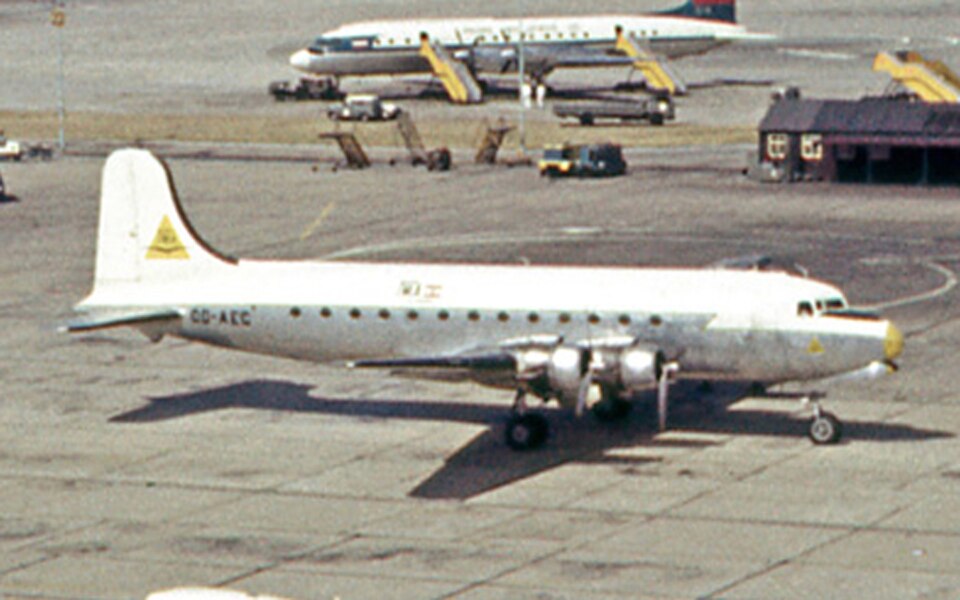
Aircraft accident near Brindisi Airport

6 fatalities • Brindisi, Italy • Takeoff (climb)

An aircraft crashed into the sea shortly after takeoff from Brindisi Airport, resulting in the deaths of all six crew members on board.

What happened

During a departure from runway 05 at Brindisi Airport, the aircraft failed to achieve its intended climb gradient. After reaching an altitude of approximately 60 meters, the plane entered a gradual descent while maintaining a slight bank to the left. The flight path led the aircraft into the sea, impacting the water roughly 2,250 meters beyond the runway threshold and 4 degrees to the left of the extended centerline. The impact caused the total destruction of the airframe and triggered a post-crash fire. There were six fatalities among the crew.

Findings

Investigations into the accident identified that the primary factor was a loss of power in engines number one and two immediately following takeoff, which prevented the aircraft from maintaining altitude. Additionally, investigators noted that fatigue may have caused a delayed reaction from the crew, potentially hindering their ability to recognize the developing emergency or perform necessary maneuvers to mitigate the impact.

Probable cause

A simultaneous loss of power in both engines one and two led to an inability to maintain altitude, compounded by potential crew fatigue affecting emergency response.

Frequently asked questions

What happened in the 1962-07-09 Douglas DC-4 accident near Brindisi, Italy?

An aircraft crashed into the sea shortly after takeoff from Brindisi Airport, resulting in the deaths of all six crew members on board.

Were there any fatalities in the 1962-07-09 Douglas DC-4 accident?

The accident was fatal, resulting in 6 fatalities.

What aircraft was involved and where did it happen?

The accident on 1962-07-09 involved a Douglas DC-4, registration OD-AEC, operated by TMA of Lebanon - Trans Mediterranean Airways, at Brindisi, Italy.

What was the probable cause of the accident?

A simultaneous loss of power in both engines one and two led to an inability to maintain altitude, compounded by potential crew fatigue affecting emergency response.

Loading the flight search…