Accident Details
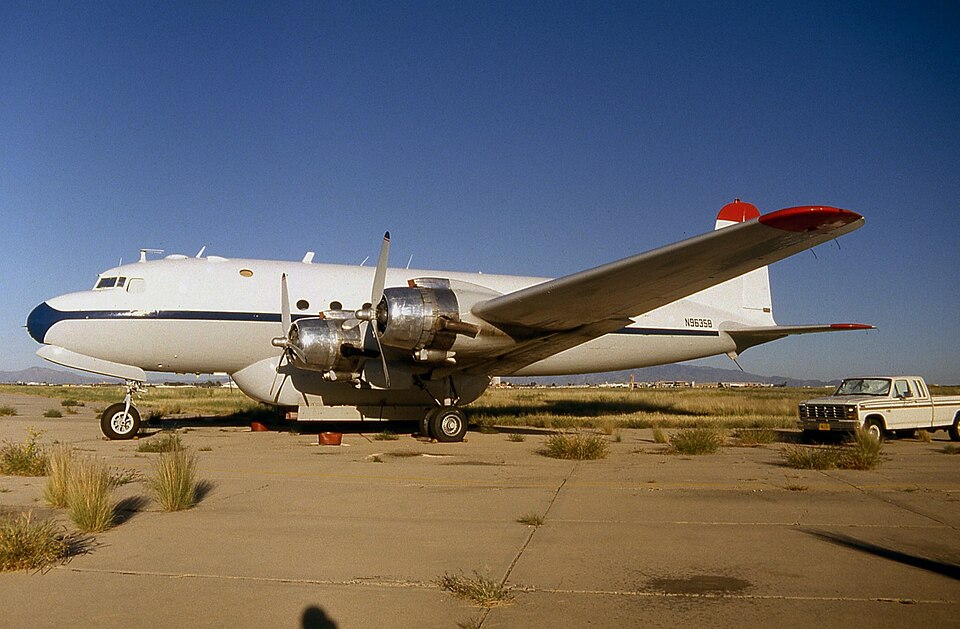
The commercial pilot reported that the flight had been delayed for nearly two weeks due to rain. The company contacted their customer, a local resident, who stated that the landing grass airstrip was currently dry and that he was unaware of any NOTAMs reporting the runway as closed. During landing, the pilot experienced zero braking action along the entire length of the runway. The airplane overran the end of the runway at about 5 knots, and the nose landing gear collapsed. Substantial damage occurred to the forward fuselage.
Pilot Actions
The pilot reported no preaccident mechanical failures or malfunctions that would have precluded normal operation. During a formal flight brief with an FAA Flight Service Station (FSS), the pilot and copilot asked if there was anything special going on they should be aware of, but FSS personnel did not mention any NOTAMs stating the runway was closed to heavy airplanes. However, FAA FSS recordings revealed that during the first conversation, the pilot did not ask for any NOTAMs for the airport. In the second conversation, the FSS asked if the pilots needed weather information or NOTAMs, and the pilots responded "no" and that they were all good.
Background Information
A NOTAM had been issued stating that the landing runway was closed to aircraft weighing more than 5,000 lbs. The airport chart supplement remarks indicated that the runway was extremely soft when wet and that use of heavy aircraft over 4,000 lbs gross was not recommended during fall, winter, and spring due to soft field conditions and rutting. The pilot reported the airplane's weight at the time of the accident was about 62,568 lbs.