Windshield obscuration leads to runway excursion during takeoff

No fatalities • Nixon Fork Mine, United States of America • Takeoff (climb)

An aircraft experienced rapid ice formation on its windshield during a takeoff roll, causing the crew to abort the flight and resulting in a runway excursion and fire.

What happened

While performing a takeoff roll, an aircraft reached an indicated airspeed of 45 knots when ice began accumulating between the inner and outer layers of the cockpit windshield. This accumulation quickly obstructed the visibility of the flight crew. In response to the loss of vision, the crew initiated an aborted takeoff. During the deceleration process, the aircraft drifted off the left side of the snow-covered runway, eventually resulting in a fire.

At the time of the incident, the ambient temperature was -10 degrees Fahrenheit. The crew noted that both the airframe and the windshield were cold-soaked. The aircraft's windshield anti-ice system operates by circulating heated air from a combustion heater through the panes. This system relies on air collected via two scoops located on the leading edge of the wings, which becomes active once the plane achieves sufficient forward airspeed.

Findings

Investigations revealed that the taxi duration prior to takeoff was insufficient to allow the windshield to reach an adequate temperature. During the taxi phase, snow was circulated around the aircraft and subsequently drawn into the wing-mounted scoops. The ingestion of snow into the windshield anti-ice system caused the rapid obscuration of the crew's view. Additional contributing factors included the extreme cold-soak conditions of the glass and a lack of detailed operational information regarding the system's limitations provided by the manufacturer.

Probable cause

Snow entered the wing-mounted scoops and entered the anti-ice system, causing ice to form between the windshield panes and obscuring the crew's vision.

Frequently asked questions

What happened in the 1998-01-02 Douglas DC-6 accident near Nixon Fork Mine, United States of America?

An aircraft experienced rapid ice formation on its windshield during a takeoff roll, causing the crew to abort the flight and resulting in a runway excursion and fire.

Were there any fatalities in the 1998-01-02 Douglas DC-6 accident?

No fatalities were recorded in this accident.

What aircraft was involved and where did it happen?

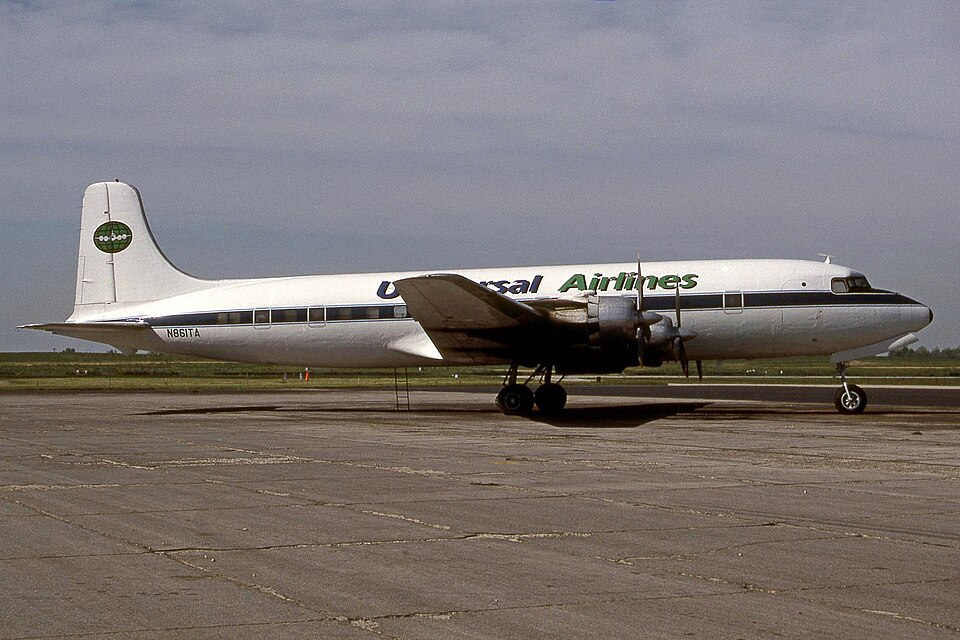
The accident on 1998-01-02 involved a Douglas DC-6, registration N861TA, operated by Woods Air Service - Woods Air Fuel, at Nixon Fork Mine, United States of America.

What was the probable cause of the accident?

Snow entered the wing-mounted scoops and entered the anti-ice system, causing ice to form between the windshield panes and obscuring the crew's vision.

Loading the flight search…