Accident Details
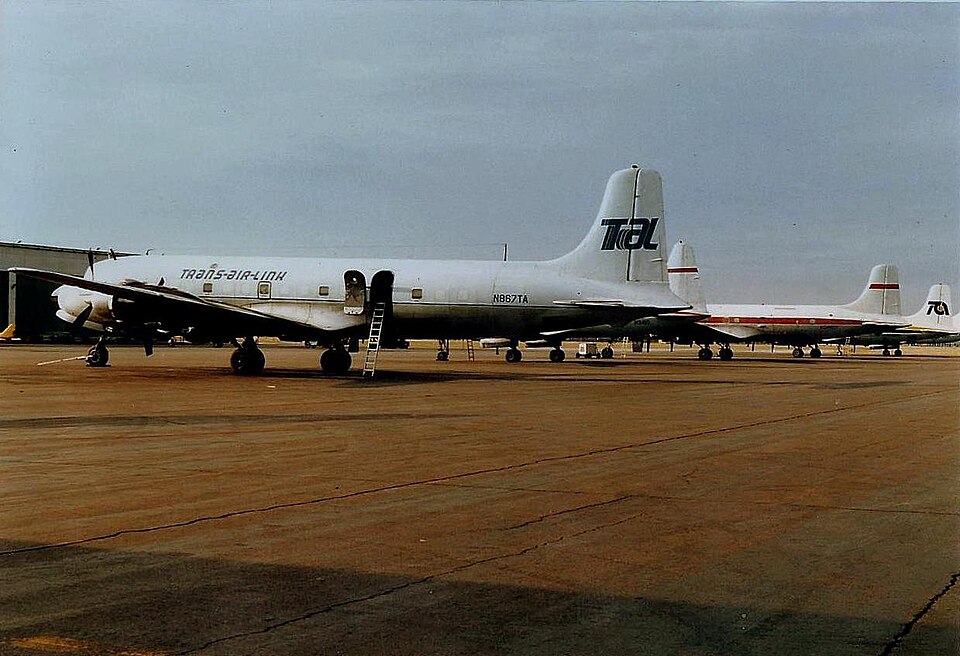
The aircraft, a Douglas DC-6B, was conducting a GPS instrument approach under instrument flight rules (IFR). Both pilots were certificated and type-rated in the DC-6B. The first pilot, seated in the right seat, was a senior check airman with a right seat dependency endorsement. The second pilot, in the left seat, had less experience in the type and was flying the leg as previously agreed. Light snow showers were present, with visibility reported at 4 miles. During final approach, as the airplane crossed the runway threshold, a higher than normal sink rate was encountered. The initial touchdown was described as "firm" but thought to be within acceptable tolerances. Immediately after touchdown, the left wing separated from the fuselage at the wing-to-fuselage attach point. The airplane veered left, departed the left side of the 5,000-foot-long by 75-foot-wide runway, went down an embankment, and came to rest in an area of wet, tundra-covered terrain. A postcrash fire heavily damaged the center section of the fuselage.
Cockpit Voice Recorder
The cockpit voice recorder (CVR) captured the final moments. As the airplane progressed along the approach, the first pilot stated, "You're only one mile from it....Take it on down ah three." After the airplane passed the runway threshold, the first pilot said, "Keep that, keep that (expletive) power off.... Just push forward on the nose." The sound of impact was heard four seconds later. The minimum descent altitude (MDA) for the approach was 400 feet mean sea level (383 feet above ground level). A contract weather observer reported lower ceilings, with about 1 mile visibility, over the approach end of the runway at the time of the accident.
Probable Cause
The official probable cause was the flightcrew's continued use of an unstabilized GPS approach. Contributing factors were low ceilings and inadequate coordination between the crew.