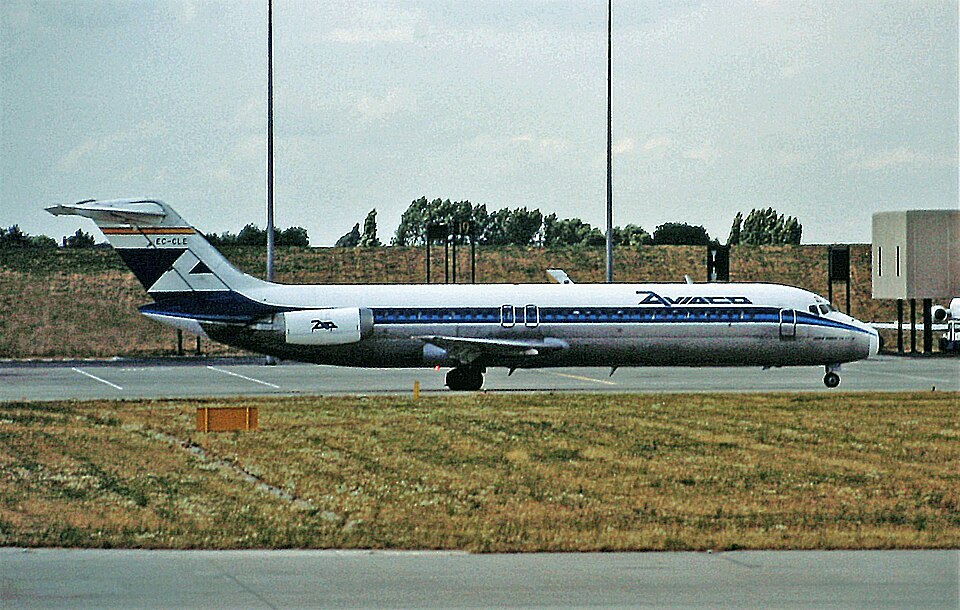
Incident Overview
A commercial aircraft experienced a runway excursion while landing at Vigo Airport. The accident occurred during final approach to runway 20 in reduced visibility due to fog, with reported visibility of 1,500 meters.
Sequence of Events
As the crew conducted the approach, the aircraft descended below the prescribed glide path. Approximately 100 meters before the runway threshold, the left main landing gear struck an element of the approach lighting system. The aircraft subsequently touched down 50 meters short of the runway surface. The impact caused both main landing gear to collapse, and the aircraft slid on its belly for about 580 meters before coming to a stop. A fire then erupted.
Occupants and Injuries
The aircraft was carrying 116 occupants. All were evacuated; 21 individuals sustained injuries during the incident.
Damage
The aircraft was destroyed by the impact and subsequent fire.
Probable Cause
According to the official investigation, the probable cause was a wrong approach configuration on the part of the flying crew, which led the aircraft to descend below the glide path in limited visibility conditions. The crew's attention was focused on maintaining visual contact with the runway, causing them to ignore cockpit alarms that were sounding.