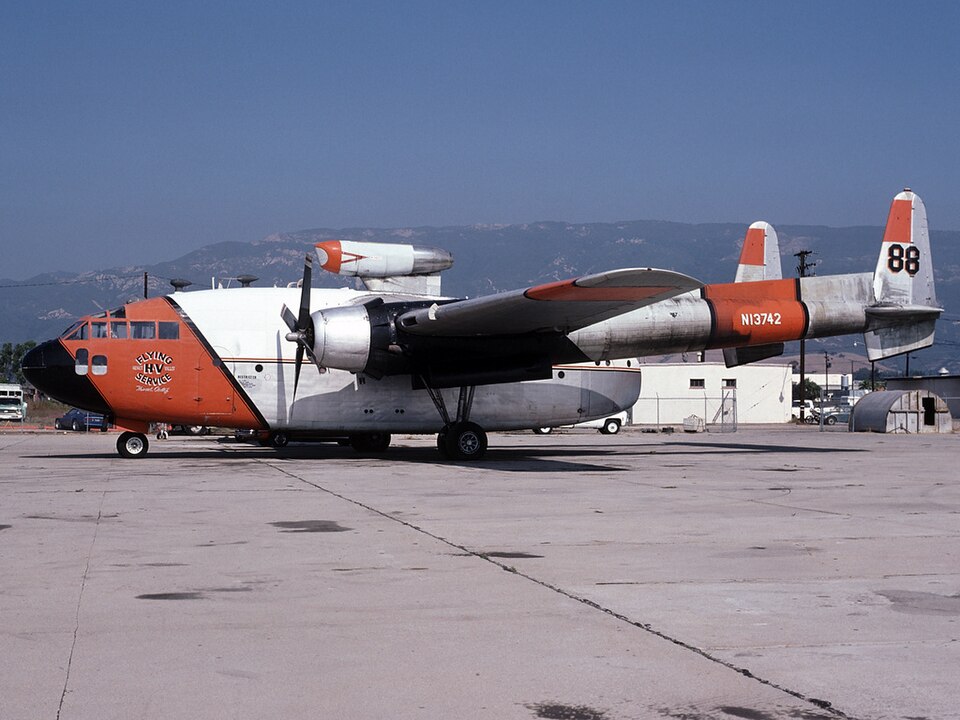
Accident Overview
On the day of the accident, an airtanker departed Santa Barbara Airport at 0857 local time, heading to fight a fire burning in the Los Padres National Forest. The airtanker arrived at the fire location and received direction from the Incident Commander (IC) for the retardant drop. The IC instructed the pilots to keep the drop high due to steep terrain and snags, and to drop only half of the retardant, saving the remainder for another run. The pilots acknowledged these instructions.
Sequence of Events
The pilots notified the IC that they were on final approach. As the airtanker neared the intended drop area, the IC heard the engines "revved up" and heard cracking and popping sounds. When the airtanker came into view, the IC and another person observed that the drop doors were not open and the landing gear was retracted. The IC, who had worked with this airtanker and its crew on several previous occasions, noted that the aircraft was lower than expected, traveling at a higher airspeed than observed on previous drops, and was in a descending attitude.
The airtanker continued past the intended drop site and then suddenly dropped vertically approximately 50 to 100 feet. At that moment, the left wing tip—about half of the total left wing span—flexed downward, snapped off, and began cartwheeling behind the airtanker. The airtanker began to roll left, its nose dropped, it struck trees, and then impacted the ground at 0927. The captain and copilot were fatally injured upon impact. The aircraft was totally destroyed.
Post-Impact Investigation
Ground investigation confirmed the loss of the left wing prior to impact. Portions of the left wing, left flap, left inboard aileron, and approximately 20 feet of intact left wing tip were recovered between 50 to 800 feet in front of the impact point.
Probable Cause
Investigation by the National Transportation Safety Board (NTSB) and Forest Service teams showed definite pre-mishap cracks in the inner left wing aileron bell crank control assembly. The possibility of a bell crank failure could have induced aileron flutter, which in turn could have contributed to wing destruction causing the wing to separate from the airtanker.