Introduction
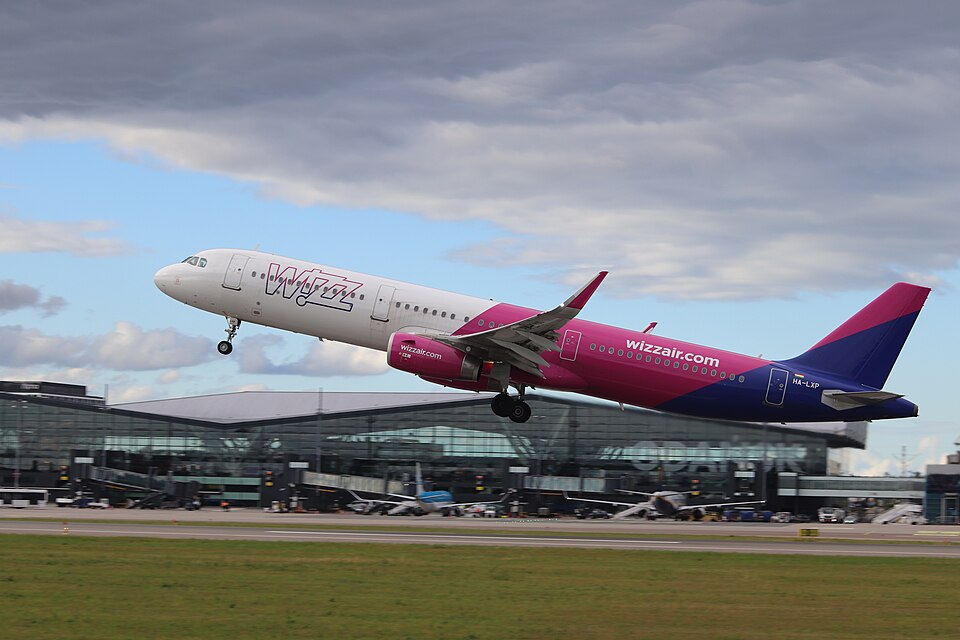
On February 26, 2018, a serious incident occurred at Sofia Airport, Bulgaria, involving three Airbus A321-231 aircraft operated by Wizz Air. The aircraft, registered as HA-LXP, HA-LXL, and HA-LXD, were on their first flights of the day to various destinations. The incident was investigated by the Aircraft Accident Investigation Unit at the Aircraft, Maritime and Railway Accident Investigation Unit Directorate (AMRAIU) under case No. 01/26.02.2018.
Weather Conditions
The Balkan Peninsula was under the influence of a large Mediterranean cyclone on February 25 and 26, 2018, which brought prolonged snowfall at low temperatures. Sofia Airport operated in irregular mode, with flights experiencing delays due to frequent closures for snow cleaning of the runway, apron, and taxiways.
De-icing Procedures
All three aircraft underwent a two-stage de-icing treatment on the upper surface of the fuselage behind the cockpit, wings, and tails. This was performed at a specially designated western location. Notably, the de-icing was conducted without prior removal of accumulated snow and ice.
Incident Description
During the takeoff roll, at approximately 80 knots, the pilots of each aircraft observed a difference in airspeed readings. The crew of the first aircraft (HA-LXP) continued the takeoff. After coordinating with air traffic control, the aircraft entered a holding pattern to perform the actions prescribed in the Quick Reference Handbook (QRH). Similar unreliable speed indications were encountered by the other two aircraft (HA-LXL and HA-LXD), which took off about two hours apart.
Investigation
The investigation was conducted by a commission appointed by the Minister of Transport, Information Technology and Communications. The occurrence was classified as a serious incident. The investigation focused on the circumstances leading to the unreliable speed indications, including the weather conditions and de-icing procedures.
Findings
The investigation found that the aircraft had been de-iced without removing accumulated snow and ice first. The pilots followed QRH procedures after the onset of unreliable speed indications. No injuries or damage to the aircraft were reported in the available documentation.