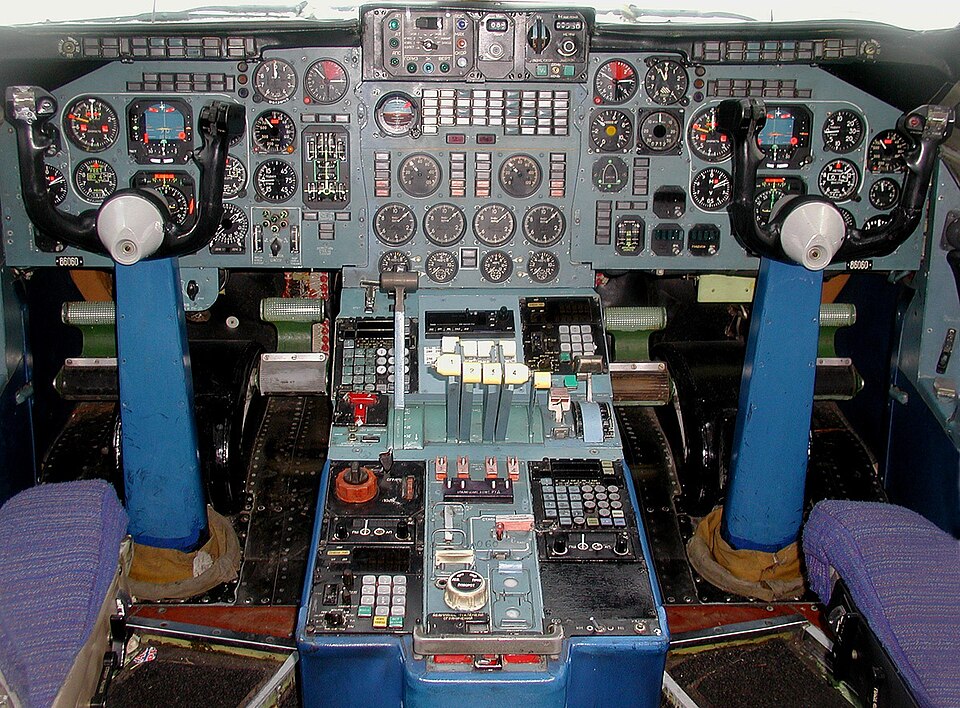
On July 28, 2002, an Ilyushin II-86 (registration RA-86060) operated by Pulkovo Aviation Enterprise was involved in an aviation accident near Moscow-Sheremetyevo, Russia during takeoff. 14 people were killed. Investigators recorded the probable cause as: The cause could not be determined with certainty due to the almost complete destruction of the main and reserve stabilizer control system units as a result of the fire on the ground and lack of information on the primary and backup stabilizer control systems… This summary draws on records from the Bureau of Aircraft Accidents Archives (B3A); 1 related events involving the same aircraft type or operator are linked below.
An aircraft crashed shortly after takeoff from Moscow due to a sudden nose-up pitch. The official investigation could not determine the exact cause but cited possible electrical failure or pilot error.
Incident Overview and Context The aircraft was departing Moscow on a ferry flight to St. Petersburg after completing a charter flight from Sochi. The flight carried 16 crew members, including 10 employees of the operating company. The incident occurred during the initial climb phase following takeoff from runway 07L. The aircraft reached a height of approximately 200 meters when the accident sequence began. The crash site was located about 700 meters past the end of the runway, where the aircraft impacted the ground in a significant explosion. The accident resulted in the deaths of 14 occupants, while two stewardesses sustained injuries. The official investigation identified the aircraft as an IL-86 with registration RA-86060. The investigation highlighted the critical role of the stabilizer control system in the accident sequence. The lack of definitive data from the flight data recorder and cockpit voice recorder complicated the determination of the exact cause. The fire on the ground further complicated the investigation by destroying key components of the stabilizer control system. The investigation considered both technical and human factors as potential contributors to the accident. The official findings emphasized the importance of understanding the interaction between the main and reserve stabilizer control systems. The investigation also noted the absence of crew comments on the cockpit voice recorder, which limited the ability to reconstruct the crew's actions during the critical phase of the flight. The probable cause was attributed to either an electrical failure in the stabilizer control system or inadequate actions by one of the pilots. The electrical failure scenario involved a reverse control response when operating the stabilizer from the main system. The pilot error scenario involved pressing and holding the 'pitch up' stabilizer switch on the control column. Both scenarios could have led to the stabilizers trimming to the full up position of 12 degrees, causing the aircraft to nose up and reach a super critical angle of attack. The crew's attempt to regain control by pushing the control column forward was unsuccessful, leading to a stall and subsequent crash. The investigation underscored the need for improved data recording and preservation of critical components in accident investigations. The findings also highlighted the importance of crew training and procedures for handling unexpected control system failures. The accident served as a reminder of the complex interplay between technical systems and human factors in aviation safety. The investigation's conclusions, while not definitive, provided valuable insights into potential failure modes and the importance of robust safety measures. The case remains a significant reference in aviation safety discussions regarding stabilizer control systems and pilot response to unexpected aircraft behavior.
A SkyWalk Join't 3 paraglider crashed into the ground near Las Vizcachas, Chile, on September 1, 2024. The pilot and passenger sustained serious spinal…
PARAPENTE (ULTRALIVIANO NO MOTORIZADO)·2024-09-01DGAC Chile
A Cessna 172N struck electrical cables while on final approach to land at Aucó Aerodrome in Chile. The pilot was uninjured, but the aircraft sustained damage…
A Bombardier DHC-8-402 suffered a tail strike during landing at Puerto Williams on September 9, 2024. All 76 occupants were unharmed, but the aircraft…
A MYD JS-MD 3 glider veered off the runway and struck a wall at Vitacura Aerodrome on January 6, 2025. The pilot was uninjured, but the aircraft sustained…
A recreational paraglider flight in Puchuncaví, Chile, ended with the pilot sustaining serious injuries after a rapid descent and impact with a hillside on…
PARAPENTE (ULTRALIVIANO NO MOTORIZADO)·2025-03-29DGAC Chile
A Tecnam P2006T landed on its belly at an aerodrome in Poland after the crew failed to confirm landing gear deployment. The incident resulted in no injuries…