Synopsis
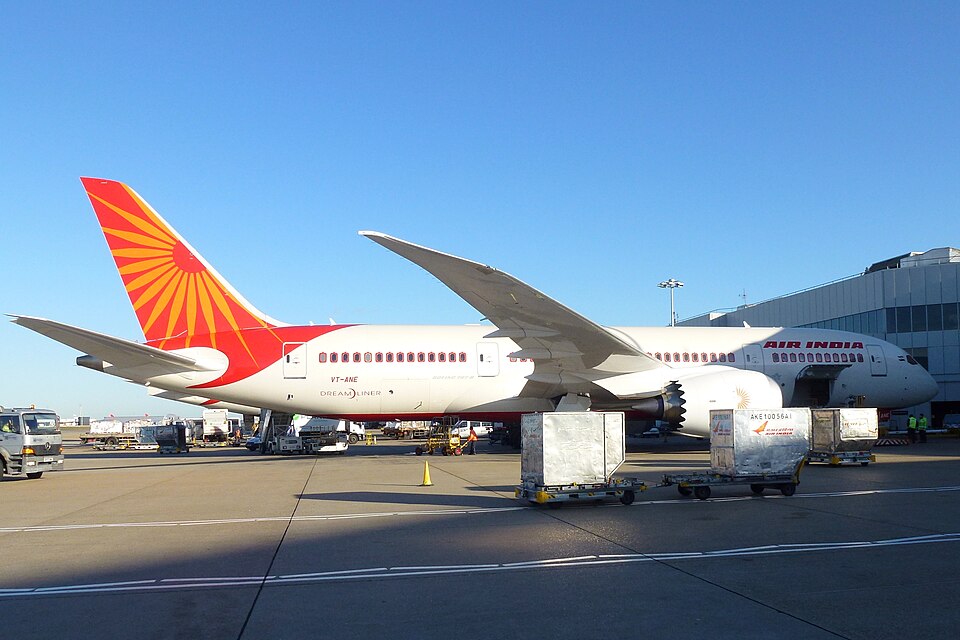
On 20 October 2018, an Air India Boeing 787-8 aircraft, registration VT-ANE, operating flight AIC314, departed from Indira Gandhi International Airport, India, bound for Hong Kong International Airport. Prior to the approach, the crew received cautionary information from the Hong Kong arrival Automatic Terminal Information Service regarding the possibility of Instrument Landing System glideslope fluctuation under the single runway operation on Runway 07R.
History of the Flight
At 0608 hours, Air Traffic Control advised the crew of possible glide path signal fluctuation. At 0611 hours, ATC cleared the aircraft for the ILS approach to Runway 07R. During the approach, the aircraft descended rapidly, triggering a series of Ground Proximity Warning System alerts. The aircraft descended to 280 feet radio altitude approximately 2.6 nautical miles from Runway 07R when the crew performed a go-around. The aircraft landed uneventfully on Runway 07R on the second approach.
Injuries and Damage
There was no injury to the crew, passengers, or ground personnel. The aircraft was not damaged.
Aircraft and Crew Information
The aircraft was a Boeing 787-8, operated by Air India. The flight crew consisted of two pilots; their qualifications and experience are not detailed in this report. The aircraft was equipped with standard navigation systems.
Navigation Aids and Operations
At the time of the incident, single runway operations were in effect on Runway 07R. The ILS glideslope was known to be subject to fluctuations, as broadcast by ATIS and advised by ATC. The investigation noted that the ILS signal interference was a known issue at Hong Kong International Airport.
Flight Recorders and Other Data
No cockpit voice recorder data was available for this investigation. The flight data recorder information was used to establish the aircraft's trajectory. No other wreckage or impact damage occurred.
Safety Recommendations
The investigation team has made three safety recommendations. Specific details of these recommendations are not provided in the summary.
Conclusion
The report does not state a probable cause; however, it lists findings and contributing factors in the full investigation report. This article is based solely on the factual information released.