Overview
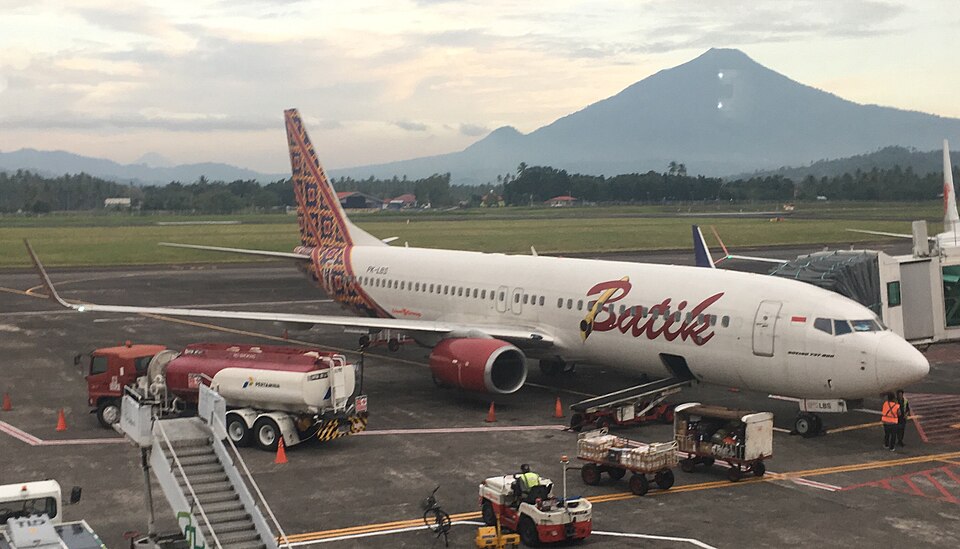
The Komite Nasional Keselamatan Transportasi (KNKT) released its final investigation report (KNKT.16.04.07.04) on the accident that occurred on 4 April 2016 at Halim Perdanakusuma International Airport, Jakarta, Indonesia. The accident involved a Boeing 737-800 aircraft, registration PK-LBS, operated by PT. Batik Air Indonesia, and an ATR 42-600 aircraft, registration PK-TNJ, operated by PT. TransNusa Aviation Mandiri.
Report Contents
The report is structured into six main sections. The first section presents factual information, including the history of the flight, injuries to persons, damage to both aircraft, personnel information (flight crew, tow crew, and air traffic controller), aircraft information, meteorological conditions, communications, aerodrome information, flight recorder data, wreckage and impact information, medical and pathological information, fire details, survival aspects, tests and research, and organizational and management information for the involved companies and airport authorities. The second section provides an analysis of the aircraft movement, movement control in the maneuvering area, lighting and environmental factors, decision-making regarding aborted takeoff and avoidance, and vehicle procedures on the maneuvering area. The third section lists conclusions, including findings and contributing factors. The fourth section details safety actions taken by PT. Batik Air Indonesia, PT. TransNusa Aviation Mandiri, AirNav Indonesia, Halim Perdanakusuma International Airport, and Avions de Transport Regional (ATR). The fifth section contains safety recommendations addressed to PT. Batik Air Indonesia, PT. TransNusa Aviation Mandiri, PT. Jasa Angkasa Semesta, AirNav Indonesia District Office Halim Perdanakusuma, and the Directorate General of Civil Aviation. The sixth section includes appendices with notices to pilots, safety circulars, and comments from directly involved parties.
Key Details
The accident occurred on 4 April 2016 at Halim Perdanakusuma International Airport in Jakarta. The investigation was conducted by the KNKT in accordance with ICAO Annex 13 and Indonesian regulations. The report does not specify the exact nature of the accident beyond involving the two aircraft on the ground. Injuries to persons and damage to aircraft are documented in the report but not detailed in this summary. The report identifies contributing factors and issues safety recommendations to enhance future safety.