Introduction
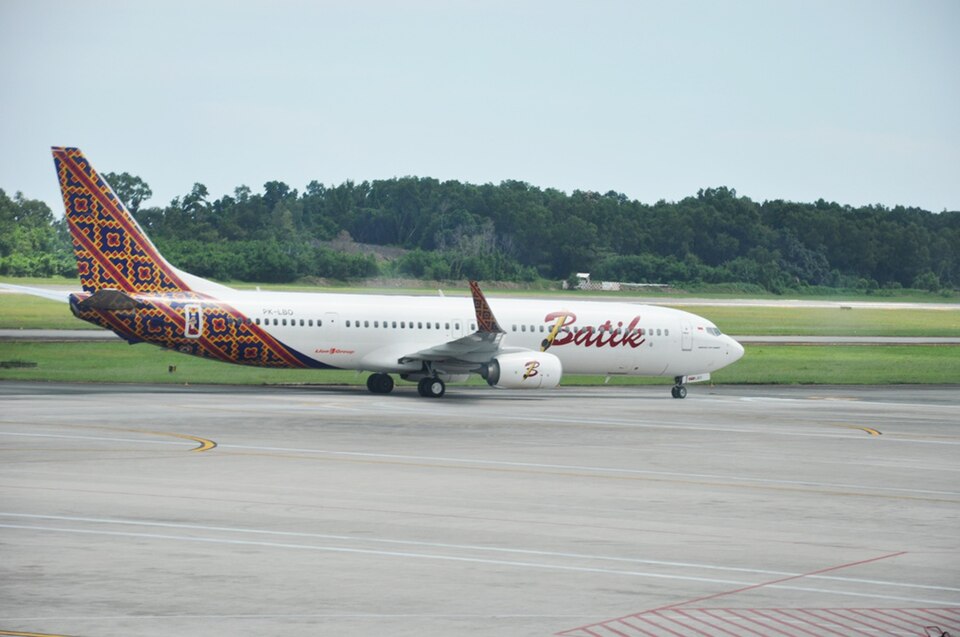
The Komite Nasional Keselamatan Transportasi (KNKT) of Indonesia published final investigation report KNKT.15.11.26.04 concerning a serious incident involving a Boeing 737-900 ER aircraft, registration PK-LBO, operated by PT. Batik Air Indonesia. The incident occurred on 6 November 2015 at Adisutjipto International Airport in Yogyakarta.
Flight Information
The report includes a section on the history of the flight. According to the report, the aircraft was on a flight and after landing, the aircraft came to a stop. Figure 2 of the report shows the aircraft condition just after stopping. Figure 3 depicts the aircraft after impact with the nose wheel folded backward. The flight data recorder (FDR) and cockpit voice recorder (CVR) were analyzed; significant FDR parameters are shown in Figure 9, and aircraft movement based on FDR data is illustrated in Figure 10.
Aircraft and Personnel
The aircraft involved was a Boeing 737-900 ER (PK-LBO). The report provides information on the engines, weight and balance, and the runway awareness and advisory system. Personnel information includes details on the pilot in command, second in command, and a flight attendant.
Meteorological and Navigational Information
A satellite image at 0820 UTC provided by BMKG is included (Figure 4). The ILS approach chart (Figure 5) and communications information are also part of the report. The aerodrome information section covers the airport layout from Aeronautical Information Publication (Figure 7) and Jeppesen (Figure 8). The last rubber deposit cleaning location is marked in Figure 6.
Investigation Findings
The report contains sections on wreckage and impact information, medical and pathological information, fire, survival aspects, tests and research, and organizational and management information. The organizational section includes details on the aircraft operator, airport operator, air traffic services provider, and Directorate General of Civil Aviation. Additional information on reporting of runway surface condition is also provided.
Conclusion and Recommendations
The conclusion includes findings and contributing factors. Safety actions and recommendations were issued to PT. Batik Air Indonesia, PT. Angkasa Pura Airport Branch Adisutjipto International Airport, AirNav Indonesia District Office Yogyakarta, and the Directorate General of Civil Aviation. The report also includes appendices such as a Notice to Pilot, Company NOTAM, Safety Notice, Safety Plan of Runway End Safety Area Runway 27, and comments from directly involved parties.