Incident Overview
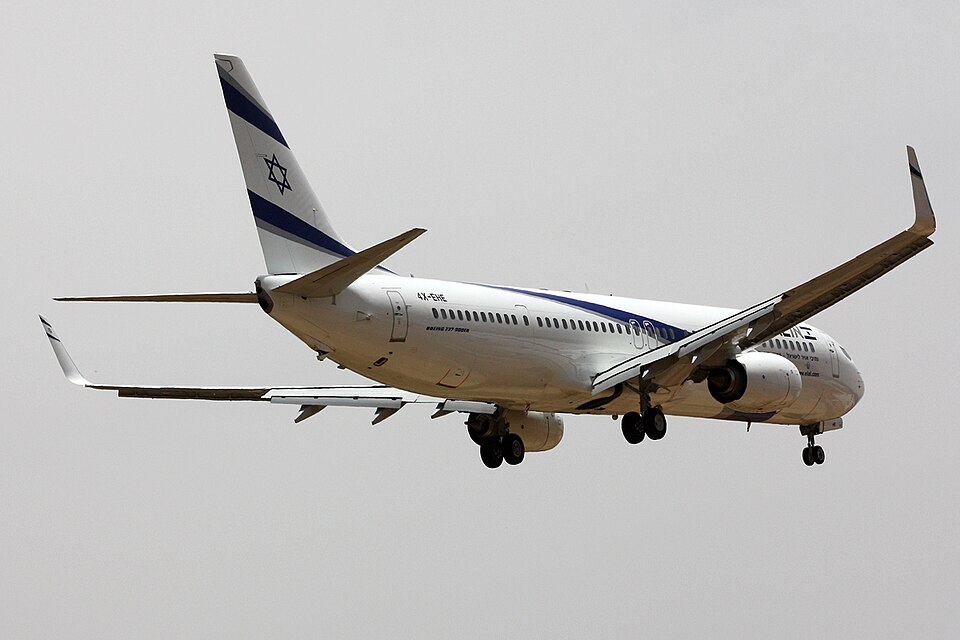
On 27 October 2019, El Al Israel Airlines flight LY326 was preparing for departure from Paris-Charles de Gaulle Airport to Tel Aviv. The Boeing 737-900ER (registration 4X-EHE) had completed push-back from gate A38 and was on taxiway P1 with engines running when the cockpit crew received an "AFT CARGO FIRE" warning. The crew promptly executed the corresponding procedure, operated the fire extinguishers, and declared an emergency to air traffic control at 22:47 local time.
Crew and Passenger Actions
The pilots requested the cabin crew to check for signs of fire from the cabin floor. The purser reported no flames, smoke, or heat. Meanwhile, Aircraft Rescue and Fire Fighting (ARFF) personnel arrived and conducted a visual and thermal-camera inspection from the exterior, confirming no external signs of fire. The captain decided to disembark passengers via the front left door using steps, while the cabin crew remained ready for an emergency evacuation if conditions worsened. During the evacuation, the fire warning intermittently activated. Toward the end of disembarkation, cabin crew reported smelling smoke but saw none.
Post-Incident Examination
After all passengers and crew had exited, ARFF opened the aft cargo hold door. Light smoke was observed, but no active fire. Luggage was unloaded and inspected. Investigators found a foldable electric wheelchair belonging to a passenger, which showed heat marks and a strong smell of burning. The wheelchair was severely damaged, likely due to overheating of its electrical system. The wheelchair was equipped with a removable lithium battery, which was stored in a housing on the wheelchair. The battery housing exhibited burn marks, and a red canvas pouch attached to the chair also had burn marks. The battery itself showed only a few external burn marks corresponding to openings in its housing.
Background on Procedures
The investigation examined the handling of mobility aids. Regulations require that for electric wheelchairs with removable lithium batteries, the battery must be removed by the passenger before loading, protected from impact, and carried in the cabin. The operator, El Al, subcontracted check-in and handling to Alysia. During check-in, an Alysia agent questioned the passenger about the battery type and informed him of the removal requirement. In the departure lounge, a coordinator also reminded the passenger, who reportedly replied, "Yes, I'll do as I came by plane." However, during boarding, the passenger was transferred to a boarding wheelchair by a Samsic agent (subcontracted by ADP). The passenger folded his own wheelchair, and an El Al security agent took it to the tarmac. Alysia luggage handlers loaded it into the hold. The ramp supervisor noted a red pouch that appeared full and heavy but could not inspect it as procedures prohibit opening passengers' personal effects.
Battery and Training Findings
Investigators found that the presence of the battery was recorded by Alysia, but not its location or possibility of multiple batteries. After the incident, a manager spoke to the passenger, who gave contradictory answers and seemed to struggle with French. The wheelchair was X-rayed and checked by dogs for security, but these inspections are not designed to detect batteries. The Cockpit Voice Recorder (CVR) recording was overwritten because the aircraft's power remained on. The investigation noted training details for Alysia personnel, but no causal link was established.
Conclusion
The source does not provide a probable cause for the incident. The report describes the sequence of events and findings but does not state a definitive cause.