Paraglider Crash in Puente Alto Injures Pilot and Passenger
A SkyWalk Join't 3 paraglider crashed into the ground near Las Vizcachas, Chile, on September 1, 2024. The pilot and passenger sustained serious spinal…
On December 18, 1966, a Lockheed L-1649 Starliner (registration N7301C) operated by Aerocondor de Colombia - Aerovias Condor was involved in an aviation accident near Bogotá-El Dorado, Colombia during landing or approach. 17 people were killed. Investigators recorded the probable cause as: The accident was attributed to pilot error. The pilot-in-command misjudged the distance between the aircraft and the ground and undershot the landing area. This summary draws on records from the Bureau of Aircraft Accidents Archives (B3A); 6 related events involving the same aircraft type or operator are linked below.
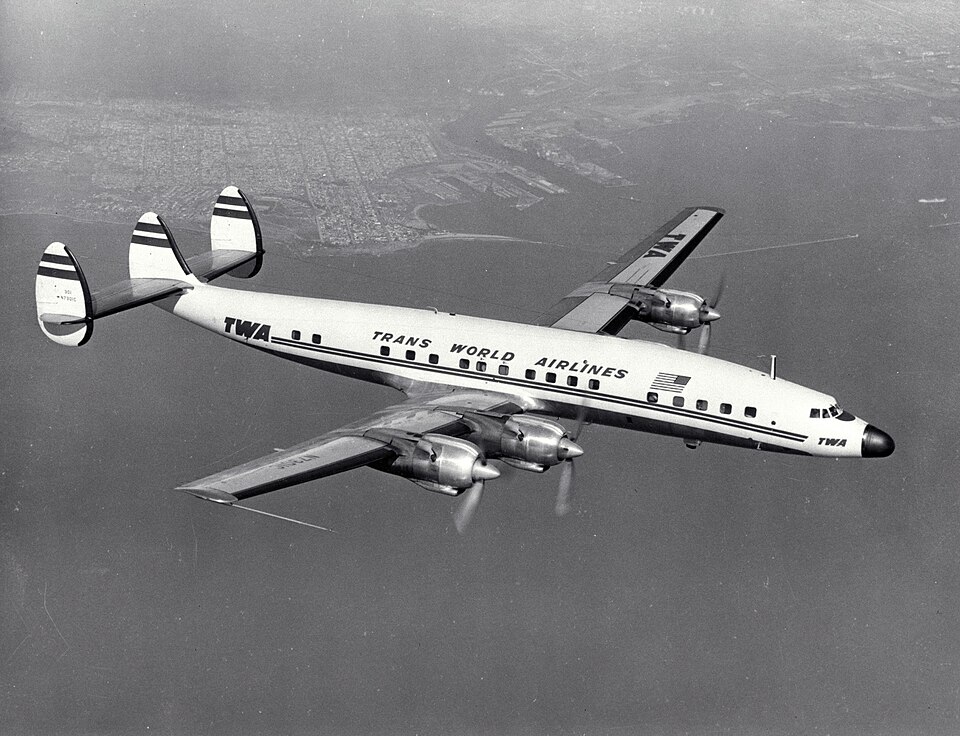
A wet-leased aircraft crashed short of Runway 12 at Bogotá-El Dorado on 18 December, killing 17 people. The official investigation attributed the accident to pilot error, including misjudged distance and poor judgment in variable weather.
The accident was attributed to pilot error. The pilot-in-command misjudged the distance between the aircraft and the ground and undershot the landing area. He also exercised poor judgment in deciding to land in variable weather conditions that may have reduced visibility of the VASI lights and identification of the exact location of the Runway 12 threshold, and in failing to follow the missed approach procedure specified on the Eldorado International Airport chart.
A SkyWalk Join't 3 paraglider crashed into the ground near Las Vizcachas, Chile, on September 1, 2024. The pilot and passenger sustained serious spinal…
A Cessna 172N struck electrical cables while on final approach to land at Aucó Aerodrome in Chile. The pilot was uninjured, but the aircraft sustained damage…
A Bombardier DHC-8-402 suffered a tail strike during landing at Puerto Williams on September 9, 2024. All 76 occupants were unharmed, but the aircraft…
A MYD JS-MD 3 glider veered off the runway and struck a wall at Vitacura Aerodrome on January 6, 2025. The pilot was uninjured, but the aircraft sustained…
A recreational paraglider flight in Puchuncaví, Chile, ended with the pilot sustaining serious injuries after a rapid descent and impact with a hillside on…
A Tecnam P2006T landed on its belly at an aerodrome in Poland after the crew failed to confirm landing gear deployment. The incident resulted in no injuries…