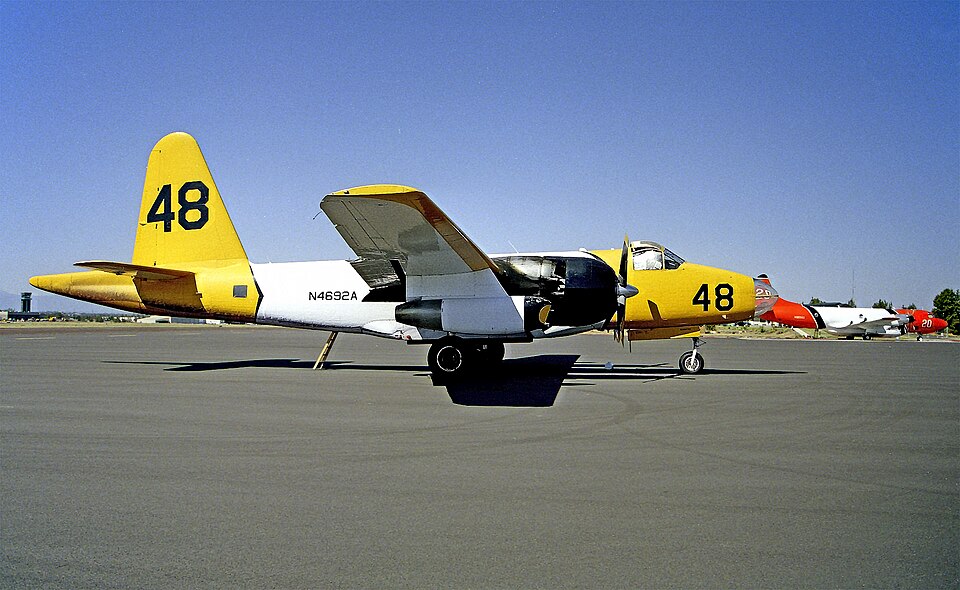
Incident Overview
The captain reported that, while returning to the departure airport after an uneventful aerial drop, he noticed that the hydraulic pressure gauge indicated 0. The first officer subsequently verified that the sight gauge for the main hydraulic fluid reservoir was empty. The flight crew began performing the emergency gear extension checklist and verified that the nosewheel landing gear was extended.
Emergency Actions
The captain stated that the first officer then installed the pin in the nosewheel landing gear as part of the emergency checklist. As the flight crew diverted to a nearby airport because it had a longer runway and emergency resources, they briefed a no-flap landing. The first officer extended the main landing gear using the emergency gear release, which resulted in three down-and-locked landing gear indications.
Landing and Collapse
The airplane landed normally; however, during the landing roll, the nosewheel landing gear collapsed, and the airplane then came to rest nose low. Postaccident examination revealed that the nosewheel landing gear pin was disengaged from the nosewheel jury strut, and the pin was not located. The disengagement of the pin allowed the nosewheel landing gear to collapse on landing. It could not be determined when or how the pin became disengaged from the jury strut.
Pin Installation and Possible Factors
Installation of the pin would have required the first officer to maneuver in a small area and install the pin while the nose landing gear door was open and the gear extended. Further, the pin had a red flag attached to it. When inserted during flight, the flag encounters a high amount of airflow that causes it to vibrate; this could have resulted in the pin becoming disengaged after it was installed.
Hydraulic System Findings
Evidence of a hydraulic fluid leak was observed around the right engine cowling drain. The right engine hydraulic pump case was found cracked, and the backup ring was partially extruded, which is consistent with hydraulic system overpressurization. The reason for the overpressurization of the hydraulic system could not be determined during postaccident examination.