Incident Overview
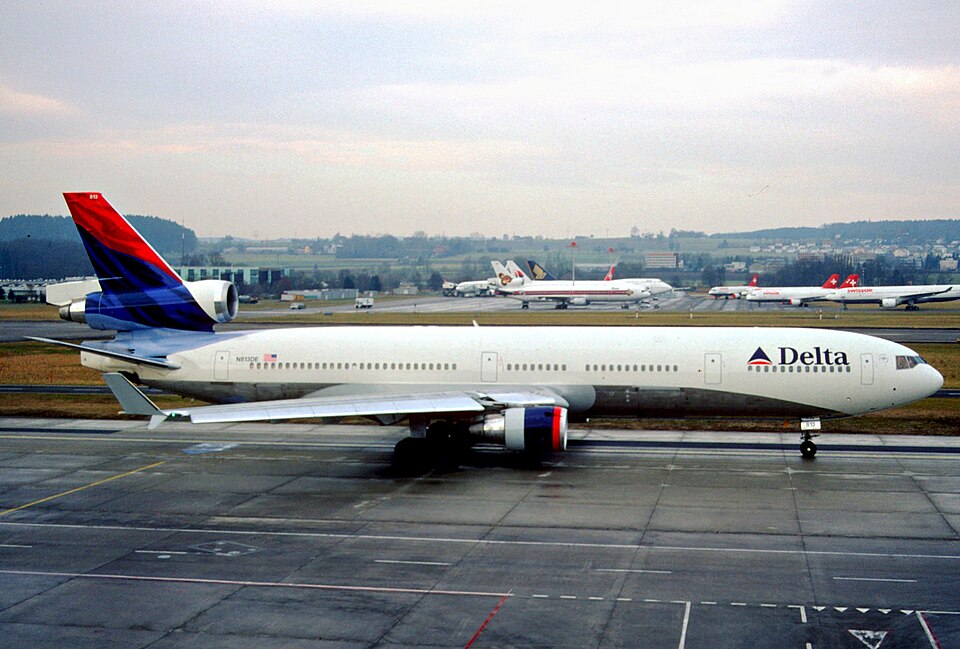
On 19 May 1999 at 0053 UTC, an MD-11 aircraft, registration N813DE, sustained a tailstrike during landing at Cambridge Airport. The aircraft was on a ferry flight with three crew members and no passengers. It was powered by three Pratt and Whitney PW-4460 turbofan engines and had been manufactured in 1996.
Flight and Crew Details
The commander, aged 57, held an Airline Transport Pilot's Licence and had logged approximately 10,000 flying hours, of which 452 were on the MD-11 type. Weather conditions at the time were reported as good, with a surface wind from 090° at 5 to 7 knots. The usable landing distance beyond the threshold for Runway 05 was 5,735 feet.
Sequence of Events
The commander reported that the approach was stable. After touchdown, as he began to lower the nose, the pitch attitude increased rapidly. Unsure whether the aircraft remained on the runway and considering the runway too short to recover from a potential bounce, he applied power and initiated a go-around. It was his opinion that the tailstrike occurred at that moment. The subsequent landing was completed without further incident.
Damage Assessment
The tailstrike resulted in general damage to the rear underside of the fuselage, including antennae, drains, and access doors. Buckling was observed in the rear pressure bulkhead. Debris from the incident was found on the runway between 1,350 and 1,550 feet from the threshold.
Investigation
The event was reported via an Aircraft Accident Report Form submitted by the pilot. No official probable cause was stated.